
Results and Impacts
Water Resources Situation Room
Management center
for critical situations at ACTO
Real-time monitoring
of hydrometeorological conditions
Integration
with situation rooms in Ecuador and Brazil
Products developed:
- Structured water resources database
- Semi-automated hydrological bulletin
- Automated alert notification system
- Remote sensing monitoring

Amazon Regional Observatory
Amazon Networks Module
- Integration of water resources monitoring
- Real-time data visualization
- Identification of critical flood or drought events
Water Resources Module
- Geographic, documentary and statistical information
- Topics: basin characteristics, water availability/demand, water quality
- Interactive dashboards and graphics
SDGs 6 and 13 – Systematization
SDG 6
Water and sanitation for all
SDG 13
Combat climate change
Methodological framework for regional monitoring
Analysis of progress in Amazon countries
Support for achieving targets by 2030
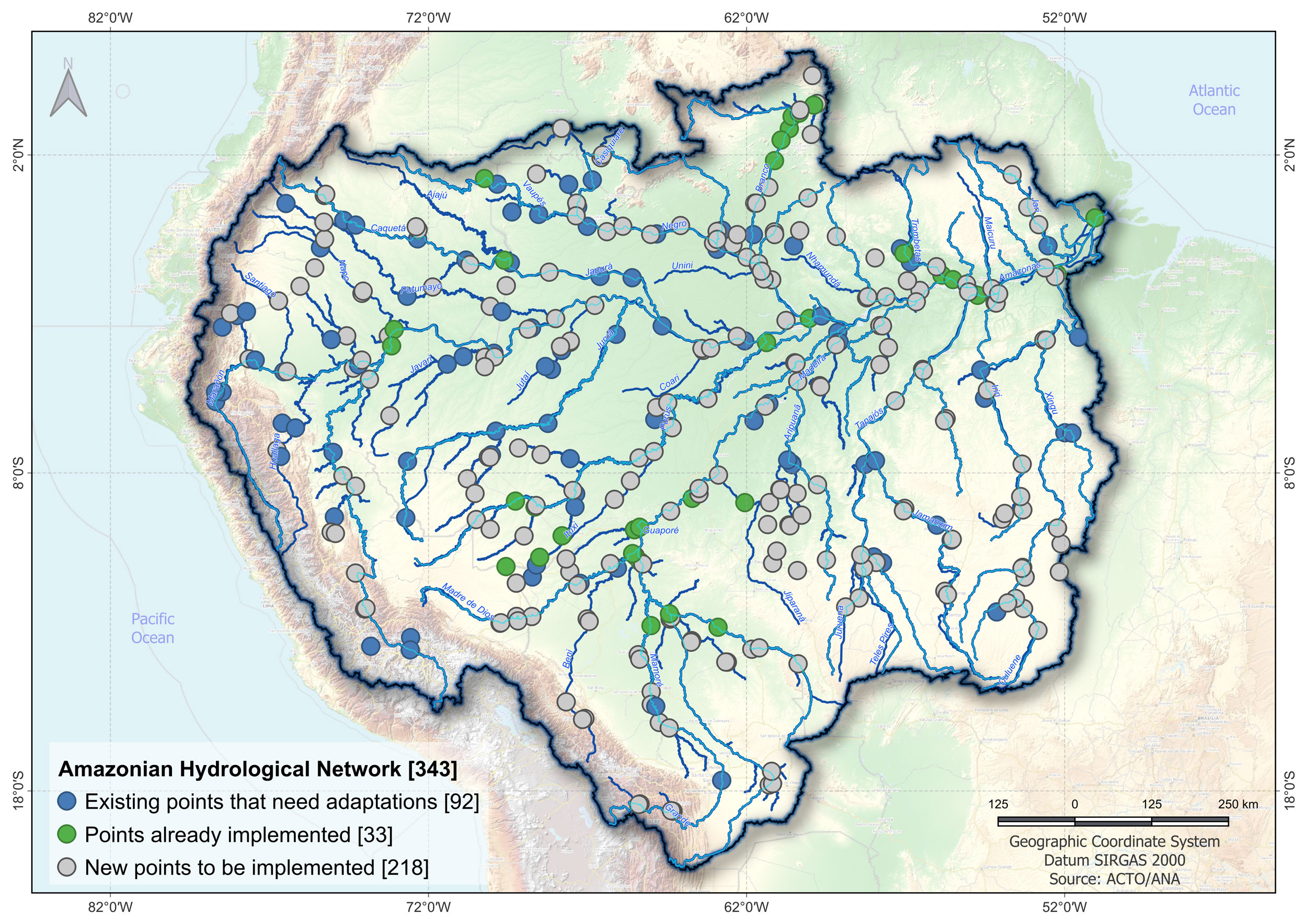
Amazon Hydrological Network Project
Objective
To systematize hydrometeorological data generated in the Amazon Basin for integrated water resources management
Monitoring points
Water Quality Network Project
Objective
To generate harmonized, validated, and systematized regional information on water quality in the Amazon Basin
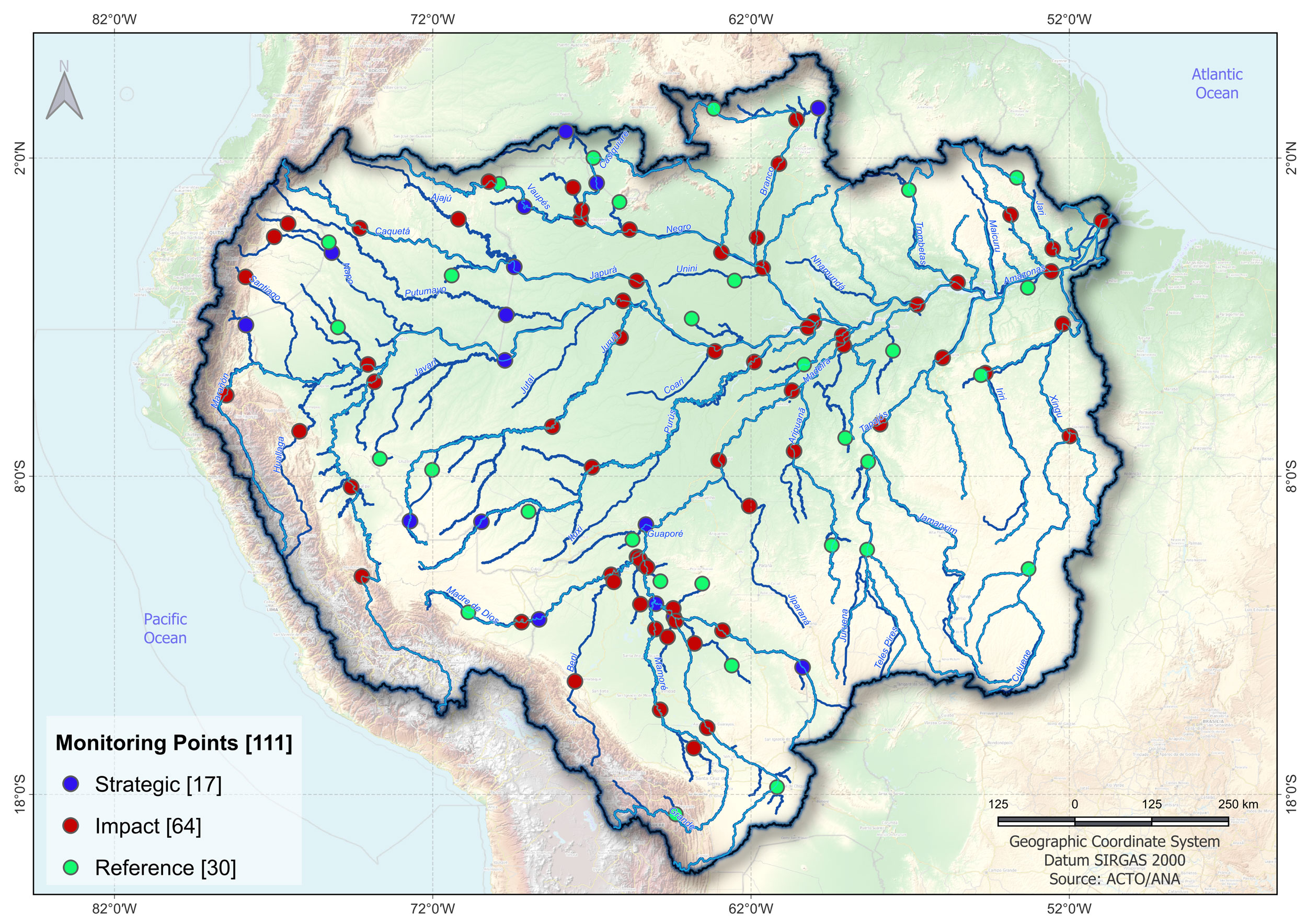
Monitoring points
- Strategic Point: located in areas of jurisdictional change between countries
- Impact Points: located in areas of anthropic impact
- Reference Point: located in areas of little modified natural landscape twice a year
Regional Monitoring Protocols
Common guidelines for installing and operating stations
Clear flows and responsibilities among institutions
Joint protocols for water collection and analysis
Technical training of local teams
Cost estimates for operation and maintenance
The Regional Monitoring Protocols ensure data consistency and comparability, as well as greater effectiveness in the sustainable management of water resources in the Amazon Basin.
Data Collection Platforms (DCPs)
9 DCPs installed
5 in Bolivia
4 in Peru
Strategic location
Beni and Madre de Dios river basins
Features
Real-time measurement of level, rainfall, and flow
Impact
Early warning system for floods
Water Quality Report
Objective: To inform society and support public policies aimed at protecting and recovering Amazonian aquatic ecosystems.
Shows the main pressure vectors: mining, sewage, deforestation, oil.
Evidences impacts: biodiversity loss, diseases, reduced fishing, cultural/tourism loss.
Presents a regional diagnosis and recommends more monitoring and data exchange.
Courses and Training
124 technicians trained
in in-person courses
Distance learning courses
in Spanish during the pandemic
Topics covered
- Liquid discharge measurement in large rivers
- Collection and preservation of water samples
- Water law and governance
- Hydrosedimentology
- Water quality monitoring
- Mercury in the Amazon
Course playlist
Impact
Successful Initiatives
8 selected initiatives presented at the 8th World Water Forum (2018):
Bolivia: Intercultural Program of Pedagogical Watersheds
Brazil: MAP Initiative (Madre de Dios-Acre-Pando)
Colombia: Anaconda Itinerant River Classroom
Ecuador: SAT Coca early warning system
Peru: Water sowing and harvesting in the Huasahuasi micro-watershed
Suriname: Coastal protection with soft technology
Regional Articulation
RADA (Amazon Network of Water Authorities): created after the Amazon Summit
Amazon Basin Project: convergence of actions for trinational alert system
Amazon Summit 2023: alignment with the Belém Declaration
Impact on Crisis Management
The historic 2023 drought in the Amazon Basin reinforced the strategic relevance of the project in:
- Adaptation to extreme climate events
- Regional cooperation for crisis management
- Prevention and mitigation of impacts on vulnerable communities
