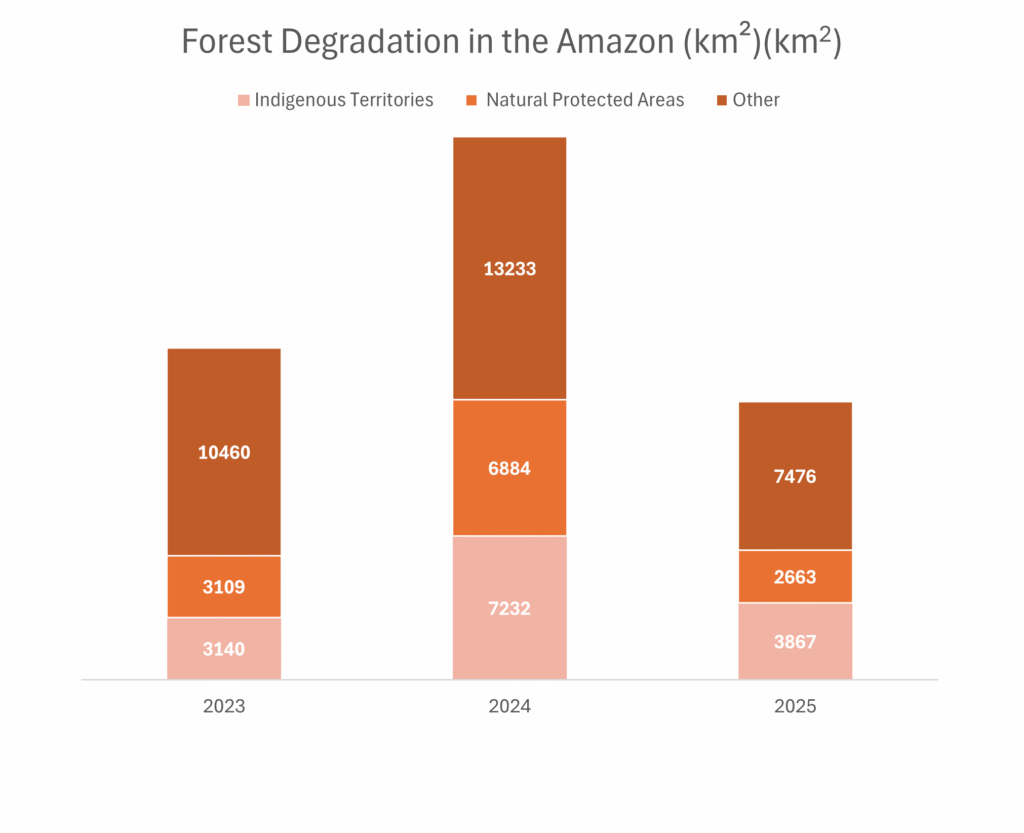
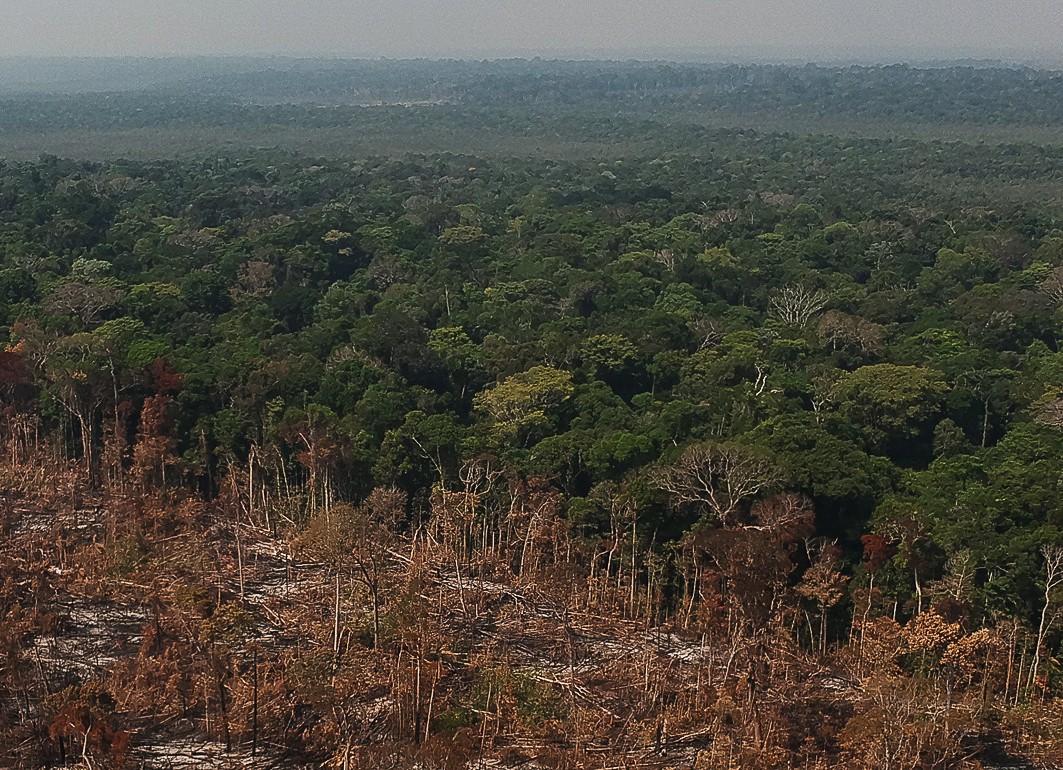
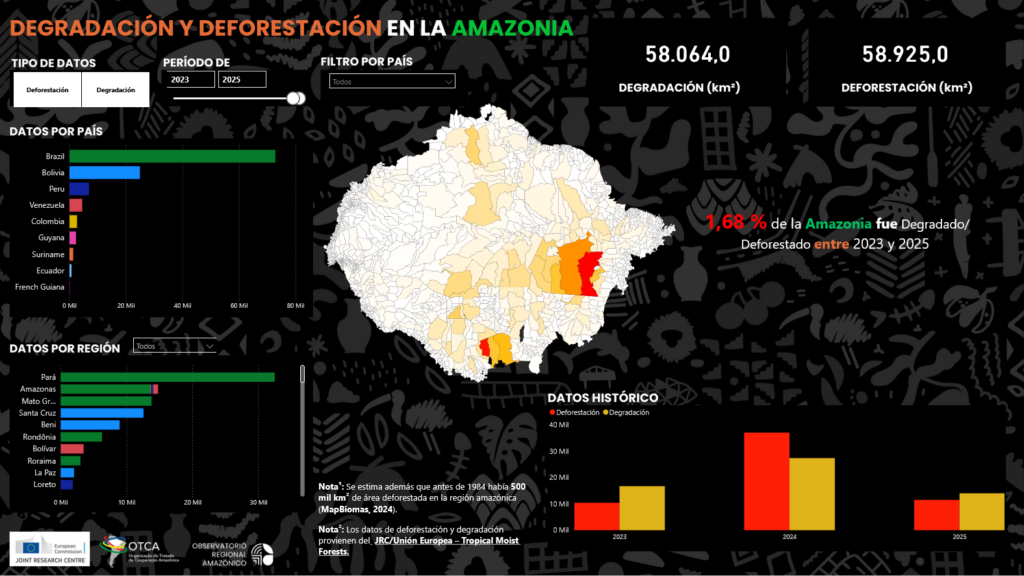
The area of forest impacted by deforestation and degradation in the Amazon fell by about 60% between 2024 and 2025, considering the eight member countries of the ACTO. In 2025, just over 25,000 km² were affected, compared to approximately 64,000 km² recorded the previous year. The data were processed by the Amazon Regional Observatory (ARO) of the ACTO, based on information from the European Copernicus programme, through the Joint Research Centre (JRC), and are available as maps and graphs on the ARO platform.
While forest degradation is characterized by the impoverishment of vegetation due to factors such as fires and selective logging, deforestation refers to the removal of vegetation cover.
According to Arnaldo Carneiro, coordinator of the ARO, two main factors explain this slowdown. “There is a global climate component and another more regional one,” he says.
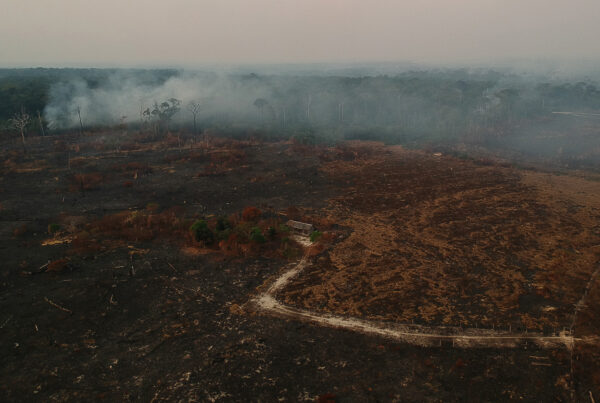
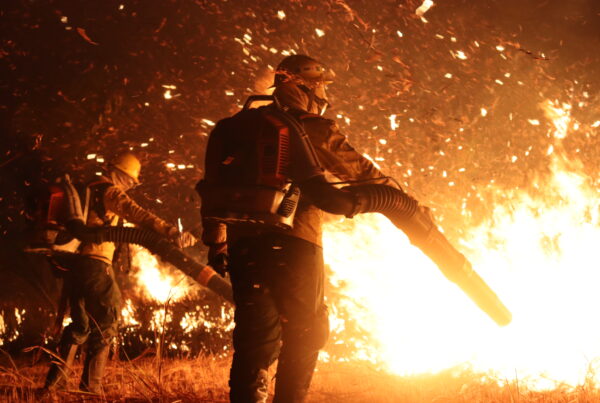
Two years ago, the region faced one of the most severe droughts in recent years, caused by a combination of climate phenomena (El Niño and warming of the North Atlantic). This favored the spread of forest fires and increased vegetation degradation in 2024.
In 2025, in contrast, less extreme climate conditions, combined with strengthened command-and-control actions, enforcement, and efforts to combat illegal activities across Amazonian countries, contributed to the observed decline.
“We cannot analyze the reduction in 2025 figures without considering what happened in 2024, when we experienced a peak in deforestation and degradation in the Amazon region,” explains Maycon Castro, environmental analyst at the ARO. Deforestation increased by 256% and degradation by 64% in 2024 compared to 2023. That year, deforestation rose from 10,391 km² in 2023 to 37,033 km², while degradation increased from 16,709 km² to 27,349 km², according to ARO-processed data.
Despite the progress, structural pressures persist. “The expansion of cattle ranching and illegal mining remain among the main drivers associated with deforestation and degradation in the Amazon region, and climate change further exacerbates the process,” says Arnaldo Carneiro.
Systematic monitoring of these areas not only makes it possible to track forest dynamics but also to estimate carbon emissions and assess impacts on climate, biodiversity, and Amazonian populations. Degradation—often silent—and deforestation highlight the need to improve fire management and expand ecological restoration efforts, both of which are already addressed by the ACTO, which connects national authorities through RAMIF (Amazon Network for Integrated Fire Management) and RAFO (Amazon Network of Forest Authorities).
Vulnerabilities of Indigenous Territories and Protected Natural Areas
Among the analyses carried out by the Amazon Regional Observatory (ARO), special attention is given to Indigenous Territories and Protected Natural Areas, widely recognized as essential for forest conservation in the region. These territories play a key role in maintaining vegetation cover, protecting biodiversity, and regulating the climate, often acting as barriers to the expansion of deforestation. At the same time, the data show that, despite their importance, these areas are not immune to growing pressures in the Amazon.
In Indigenous Territories, recent dynamics reveal high vulnerability to external pressures, with more intense fluctuations than those observed across the region as a whole. The closer these areas are to expanding deforestation and/or illegal mining frontiers, the greater their exposure to such environmental crimes.
Between 2023 and 2024, deforestation increased from 1,397 km² to 12,855 km², a rise of about 820%, reflecting a period of exceptional pressure on these territories. Degradation also advanced significantly, from 3,140 km² to 7,232 km², an increase of 130%. In 2025, a significant reversal is observed, with deforestation falling to 3,082 km²—a 76% reduction compared to the previous year—and degradation declining to 3,867 km², a drop of 47%. Even so, deforestation levels remain more than double those recorded in 2023, indicating that, despite recent improvements, structural pressures persist in these areas.
In Protected Natural Areas, the observed pattern suggests greater capacity for response and resilience to external pressures. Between 2023 and 2024, deforestation increased from 1,604 km² to 8,811 km², a rise of about 450%, while degradation grew from 3,109 km² to 6,884 km², an increase of approximately 120%. Despite this sharp rise, the response in 2025 was more consistent than in Indigenous Territories. Deforestation fell to 1,585 km², an 82% reduction compared to 2024, returning almost to 2023 levels, while degradation declined to 2,663 km², a drop of 61% and below the initial level of the series.
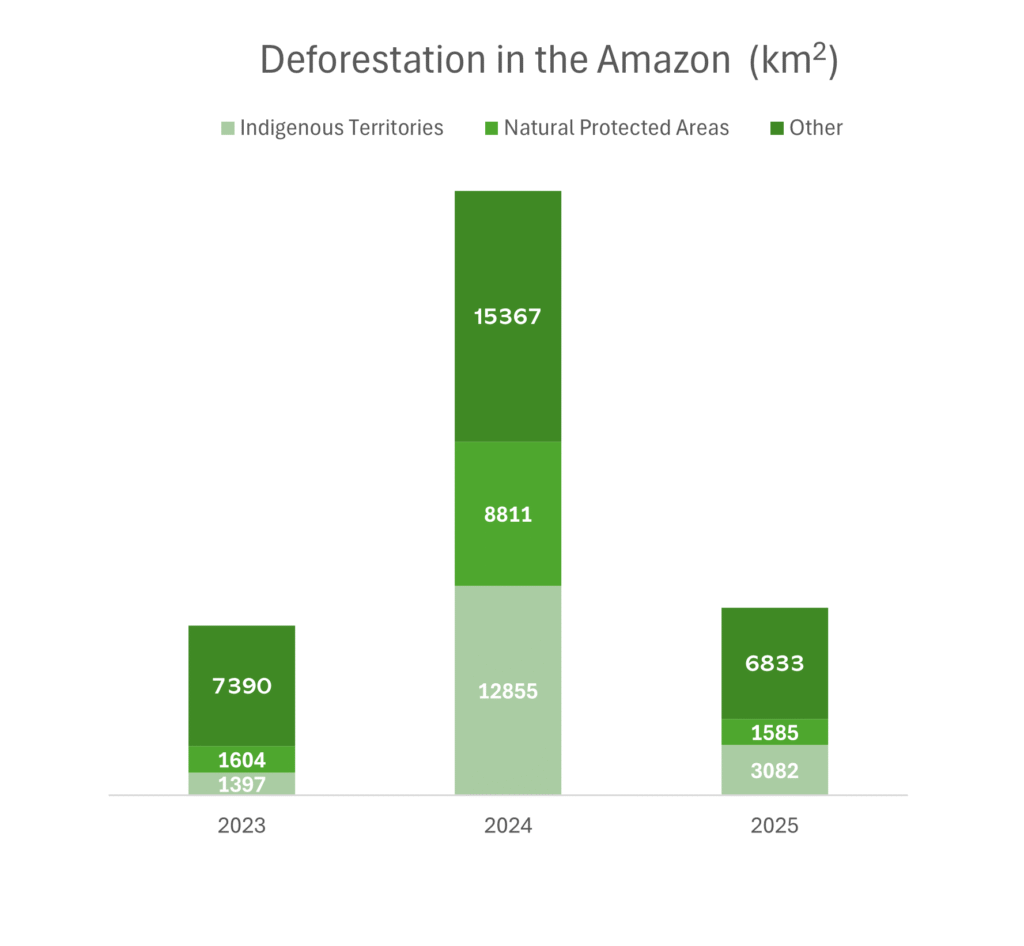
In 2024, a severe drought fueled forest fires and worsened deforestation and vegetation degradation; in 2025, deforested area fell by 68% and degraded area by 48%.