Brasília, March 27, 2026 — Member Countries of the Amazon Cooperation Treaty Organization (ACTO) are advancing the consolidation of a regional public security agenda.
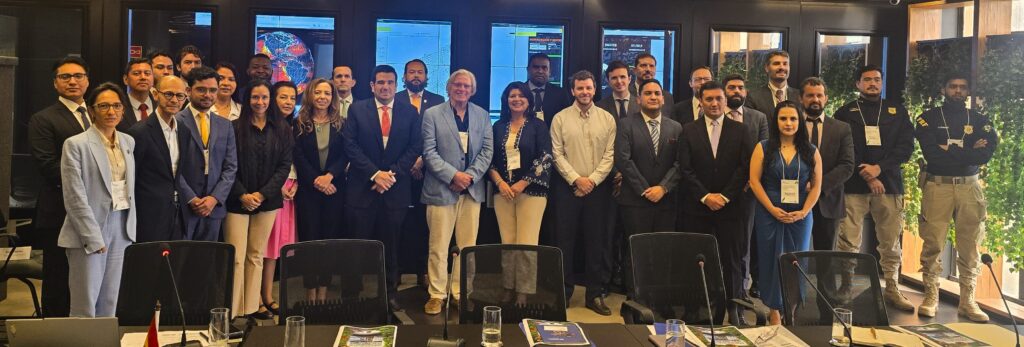
In this context, the Technical workshop to strengthen action plans under the Special Commission on Public Security and Transboundary and Transnational Illicit Activities in the Amazon Region (CESPIT) was held at ACTO headquarters in Brasília on March 26 and 27. The meeting brought together delegations from all member countries to review and refine the operational instruments guiding joint action in the region. The workshop was supported by the United Nations Office on Drugs and Crime (UNODC) and the World Bank.
ACTO Secretary-General Martin von Hildebrand emphasized that the main challenges facing the Amazon require coordinated responses among countries. “Security, as well as health, fire and sustainable economic alternatives, cannot be addressed in isolation. These are regional challenges that require cooperation to protect the forest, avoid the tipping point and ensure people’s well-being,” he stated.
From an international perspective, UNODC warned about the growing complexity of organized crime in the region. Director Elena Abbati noted that criminal groups have diversified their operations and now act simultaneously across multiple fronts. “Significant changes can be observed, with involvement in drug trafficking, illegal mining, deforestation, wildlife crimes and human trafficking,” she said.
Abbati also highlighted the economic scale of these activities. According to her, environmental crimes now rank as the third most profitable illicit economy worldwide, generating up to 200 billion dollars annually.
The Pro Tempore Presidency of CESPIT, held by Colombia, emphasized the technical and results-oriented nature of the workshop. Carolina Adana García explained that the process is moving toward more structured and operational tools for the next period, aiming to deliver harmonized and standardized action plans with clearly defined activities, measurable outputs, minimum evidence, timelines, priority levels and support mechanisms. “We seek to ensure that we have solid and well-structured plans for 2026 and 2027,” she said.
A regional cooperation agenda
Humberto Freire, representative of the Brazilian Federal Police, highlighted that tackling environmental crimes is a concrete measure to reduce emissions and curb deforestation. “Fighting environmental crimes and reducing the deforestation they drive contributes effectively and rapidly to climate change mitigation,” he stated.
Freire presented the initiatives of the Amazon International Police Cooperation Center (CCPI) and stressed the importance of strengthening information exchange among countries. Expanding intelligence cooperation, he noted, is essential to investigate criminal networks, act at the source of illicit activities and promote the exchange of experiences among authorities.
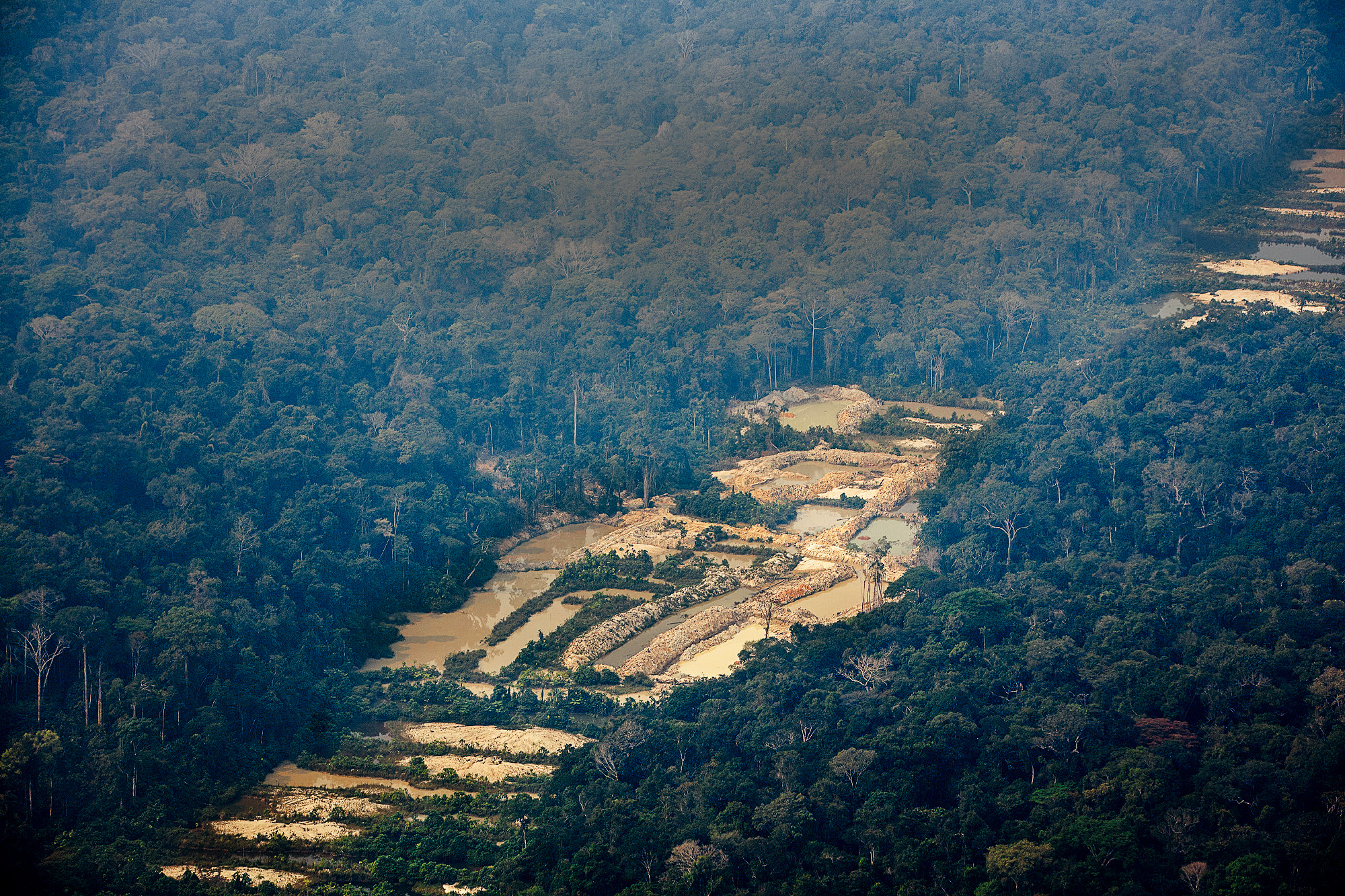
In this context, addressing activities such as illegal logging, illicit mining and wildlife trafficking has become a central pillar of the regional agenda. These practices not only fuel transnational organized crime networks but also drive deforestation, degrade strategic ecosystems and contribute to greenhouse gas emissions. Strengthening coordinated responses to these illicit activities is therefore an effective pathway to slow climate change.
CESPIT
Created in 2025 in Leticia, the Special Commission on Public Security and Transboundary and Transnational Illicit Activities in the Amazon Region (CESPIT) represents a strategic step forward in Amazon cooperation by placing public security and the fight against environmental crimes at the center of regional action, as a means to ensure the well-being of populations and protect the integrity of the biome.
Its implementation is part of a broader institutional strengthening process within ACTO, which over the past year has also reactivated commissions in the areas of environment and climate change, health, and science and technology, in line with the mandates of the Belém Declaration of 2023.
Featured image: Marizilda Cruppe/Amazônia Real.