After 27 years, the Amazon Cooperation Treaty Organization (ACTO) reactivated, on the morning of Monday 23, at the Palácio do Itamaraty in Brasília, the Amazon Special Commission on Science and Technology (CECTA). The measure places science, technology, and innovation back at the center of regional cooperation and strengthens the development of evidence-based solutions to address the challenges of the Amazon. The event was coordinated by Brazil and supported by CAF, the Development Bank of Latin America and the Caribbean.
The reactivation of CECTA marks a new moment for Amazon cooperation. It is the fourth Special Commission currently in operation within the OTCA. Over the past year, commissions on environment and climate change (CEMAC) and health (CESAM) were also reactivated, and the Commission on Public Security and Transboundary and Transnational Illicit Activities (CESPIT) was created, in line with the Belém Declaration of 2023.
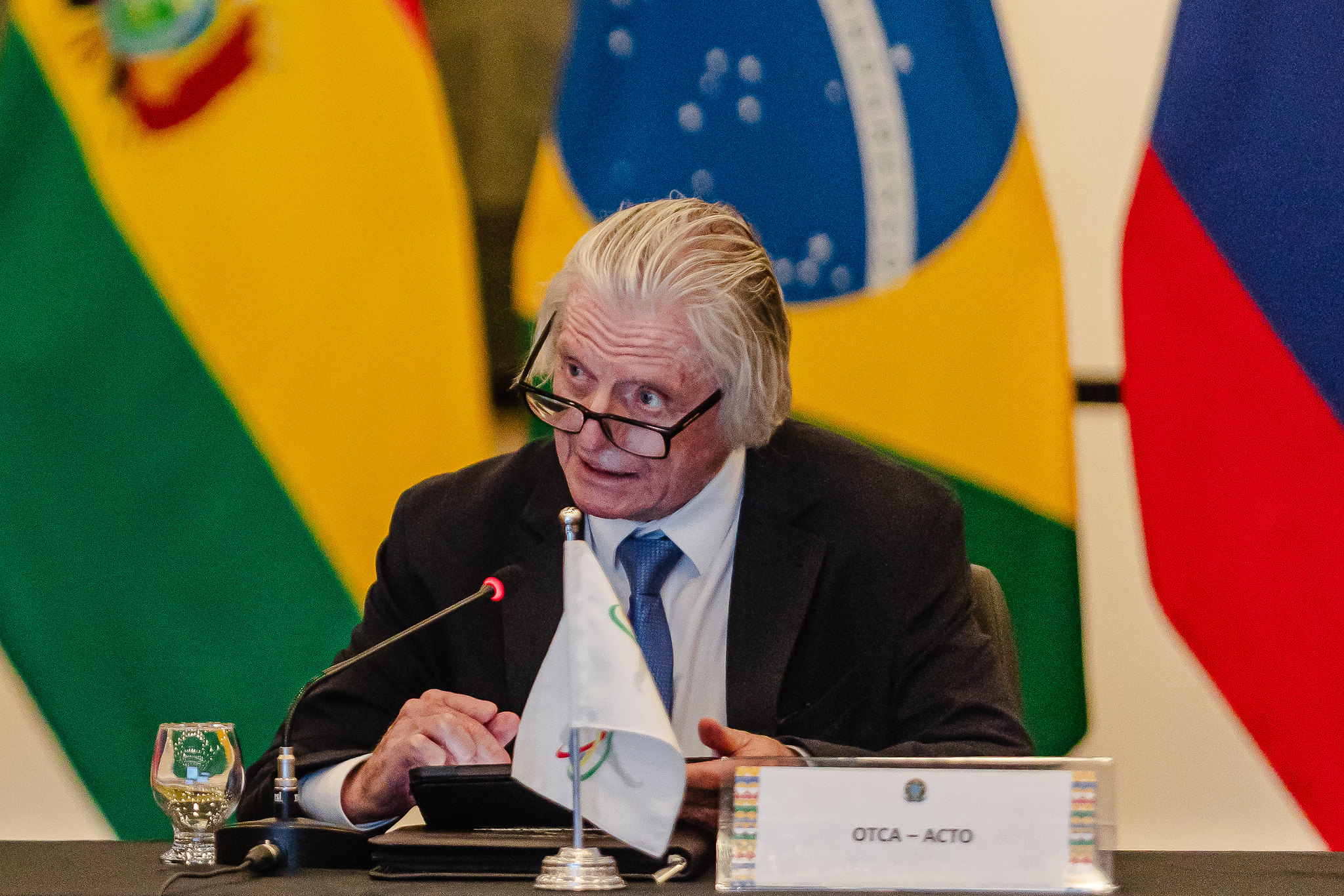
Martin von Hildebrand, Secretary-General of ACTO, highlighted the urgency of the moment. “The Amazon is under pressure and approaching a tipping point,” he said. According to him, strengthening science and innovation is essential to ensure responses that match the complexity of the region’s challenges.
For the Secretary-General, the Commission plays a central role in transforming knowledge into concrete policies. “This Commission is the technical space where knowledge connects with action,” he stated. According to him, CECTA will enable countries to coordinate efforts, develop regional strategies, and mobilize resources for implementation. He also noted that the Commission operates in coordination with the Amazon Intergovernmental Science-Policy Panel and the Amazon Regional Observatory, strengthening the evidence base for decision-making.
On this occasion, the eight ACTO member countries adopted the Brasília Statement, reaffirming their commitment to using science, technology, and innovation as the foundation for public policies and sustainable development strategies, while also emphasizing the importance of the participation of Indigenous peoples and local communities in regional cooperation processes.
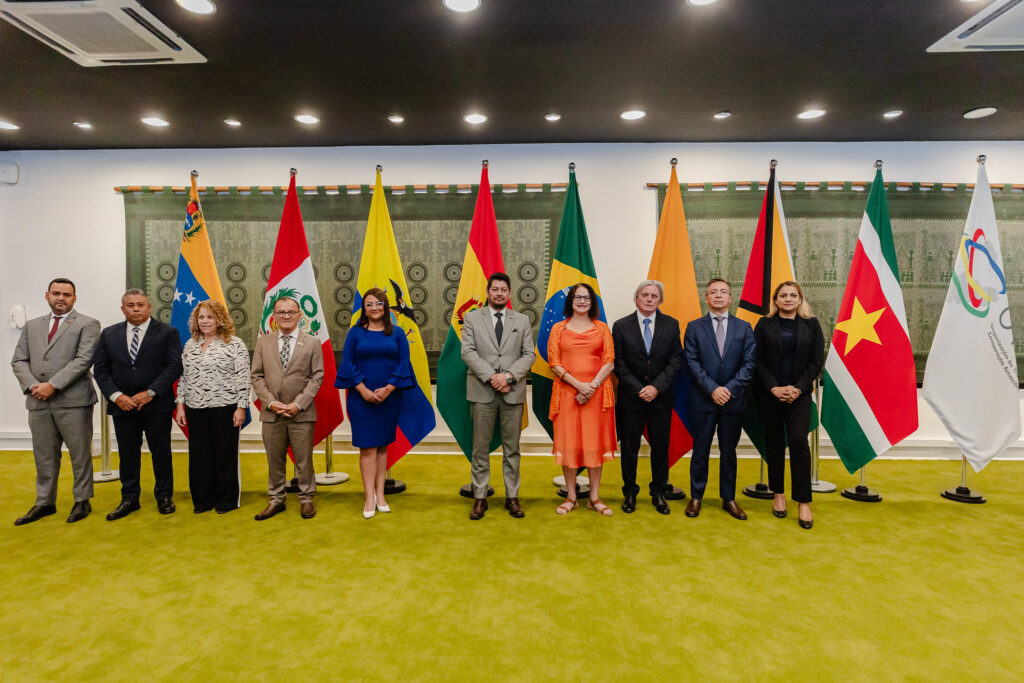
From cooperation to concrete action
During the extraordinary CECTA meeting held later that afternoon at ACTO headquarters, Executive Director Vanessa Grazziotin highlighted the historic nature of the initiative. “This moment was only possible thanks to the commitment of the countries and a clear decision to strengthen OTCA as an effective organization for cooperation. Cooperation must translate into concrete actions,” she said.
She also emphasized the strategic importance of this new phase. “This is a historic moment because CECTA will have a work plan that will effectively demonstrate to the world that the Amazon plays a fundamental role in maintaining the planet’s climate balance,” she added.
On the occasion, Brazil was elected pro tempore chair of CECTA, with the mission of leading the implementation of the regional agenda and advancing the transformation of objectives into concrete results.
The Work Plan approved by the Commission establishes the operational foundations to strengthen regional cooperation in science, technology, and innovation among member countries. Focused on sustainable development, the document outlines actions aimed at generating knowledge, fostering innovation, and integrating key regional stakeholders.
Among its main initiatives is the creation of the Amazon Network for Innovation and Technology Diffusion, which includes mapping research infrastructure such as technology parks and incubators, as well as developing an interoperable regional database to support decision-making.
The plan also includes actions on training and entrepreneurship, with programs focused on sustainable innovation and support for projects in biotechnology and biodiversity, with attention to the participation of women, Indigenous peoples, and local communities.
Another strategic axis is strengthening the link between science and public policy through support for the Amazon Intergovernmental Science-Policy Panel and expanded cooperation with universities, including UNAMAZ, and research institutions.
Finally, Angel Viloria, ACTO Coordinator for Science, Technology and Education, expressed his appreciation, on behalf of the Permanent Secretariat, for the notable work of Brazil’s Ministry of Science, Technology and Innovation in proposing the meeting of ministers and high-level authorities in science and technology from Amazon countries, as well as for its key support to ACTO in reactivating CECTA.
Photos: Luara Baggi (ASCOM/MCTI).