The Amazon Cooperation Treaty Organization (ACTO) is an intergovernmental organization that brings together the eight Amazonian countries — Bolivia, Brazil, Colombia, Ecuador, Guyana, Peru, Suriname, and Venezuela.
United by the Amazon Cooperation Treaty, we work to strengthen regional cooperation and promote the sustainable development of the Amazon and the well-being of its peoples.
Our History
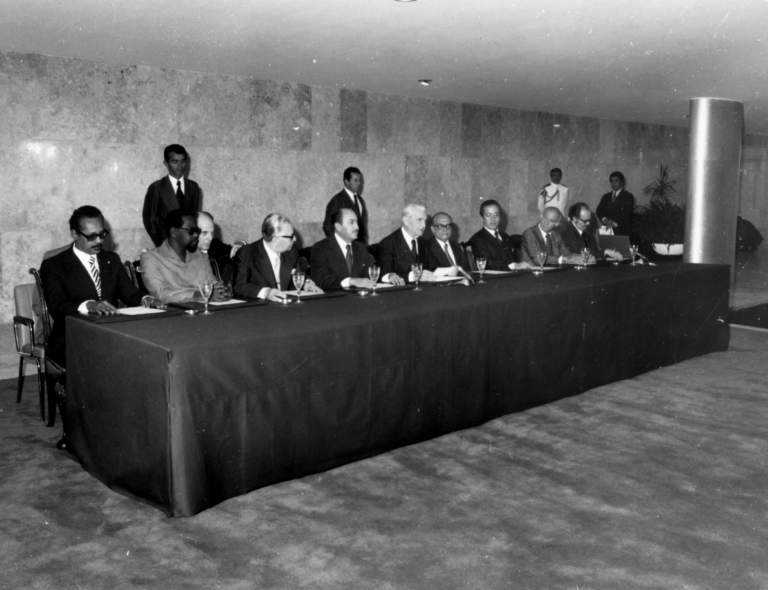
It all began in 1978, with the signing of the Amazon Cooperation Treaty — the first international agreement aimed at the joint protection and development of the Amazon.
In 1998, the Treaty was institutionally strengthened with the creation of ACTO, marking a new phase of regional cooperation.
Since 2003, our Permanent Secretariat, based in Brasília, has coordinated regional actions and given life to the commitments undertaken by the countries.
Since then, the Organization has evolved with new political mandates, reaffirmed in the Belém (2023) and Bogotá (2025) Declarations, which consolidate ACTO as a permanent platform for joint action for the Amazon.
Our Milestones
Mission
To promote cooperation, integration, and sustainable development among the eight Amazonian countries, strengthening shared regional management and ensuring a balance between conservation, development, and social inclusion.
Vision
To be the leading platform for political coordination and technical cooperation in the Amazon, recognized for its ability to articulate policies, generate knowledge, and promote joint actions that ensure a sustainable, fair, and prosperous Amazon for all its peoples.
Governance
The governance of ACTO is grounded in the Amazon Cooperation Treaty (ACT) and operates under principles of consensus, permanent coordination, and joint action among the eight Member Countries. The Permanent Secretariat of ACTO plans and carries out its activities in continuous dialogue with the Member Countries.
Meeting of Ministers of Foreign Affairs
The highest decision-making body. It defines political guidelines, regional priorities, and joint mandates.
Show documents
Regulations of the Meeting of Ministers1st Meeting of Ministers2nd Meeting of Ministers: Minutes3rd Meeting of Ministers: Minutes4th Meeting of Ministers: Minutes5th Meeting of Ministers: Minutes6th Meeting of Ministers: Minutes7th Meeting of Ministers: Minutes8th Meeting of Ministers: Minutes9th Meeting of Ministers: Minutes10th Meeting of Ministers: Minutes11th Meeting of Ministers: Minutes12th Meeting of Ministers: MinutesIII Extraordinary Meeting of Ministers _Bogotá | Resolutions
Amazon Cooperation Council (CCA)
Composed of diplomatic representatives. It oversees the implementation of ministerial decisions and coordinates cooperation among the Member Countries.
Coordination Commission of the Amazon Cooperation Council (CCOOR)
A technical-operational body composed of representatives designated by each country. It monitors the implementation of regional programs, projects, and mandates.
Permanent National Commissions (CNPs)
In each Member Country, they execute the decisions adopted by the Organization. They operate under the guidance of the Ministries of Foreign Affairs and coordinate the national institutions responsible for development and cooperation in the Amazon.
Meeting of Presidents of the Amazonian Countries
Although it is not a formal instance of the Treaty, it has become an essential political forum. It is a high-level space that promotes dialogue on shared interests, the exchange of perspectives on regional challenges, and the building of consensus to guide joint policies and strategies for the Amazon.
Over time, these meetings have marked important milestones:

I Meeting – Manaus, 1989:
discussion on the future of cooperation and the protection of Amazonian heritage.

II Meeting – Manaus, 1992
joint preparation for the Rio 92 Summit.

III Meeting – Manaus, 2009
focus on climate change and support for the management of the Permanent Secretariat.

IV Summit – Belém, 2023
approval of the Belém Declaration, reinforcing ACTO as the central mechanism for regional cooperation.

V Summit – Bogotá, 2025
adoption of the Bogotá Declaration, reaffirming Amazonian integration.
Amazonian Governance under the New Mandates
ACTO’s governance model is based on cooperation, respecting the sovereignty of the Amazonian countries and promoting coordinated actions for the benefit of the region.
This governance has been strengthened by the political mandates established in the Belém and Bogotá Declarations, which expanded ACTO’s role as a regional platform for coordination, political dialogue, and technical cooperation.
Through this structure, ACTO works to implement political mandates, strengthen national capacities, and consolidate sustainable management for the region.
Member Countries
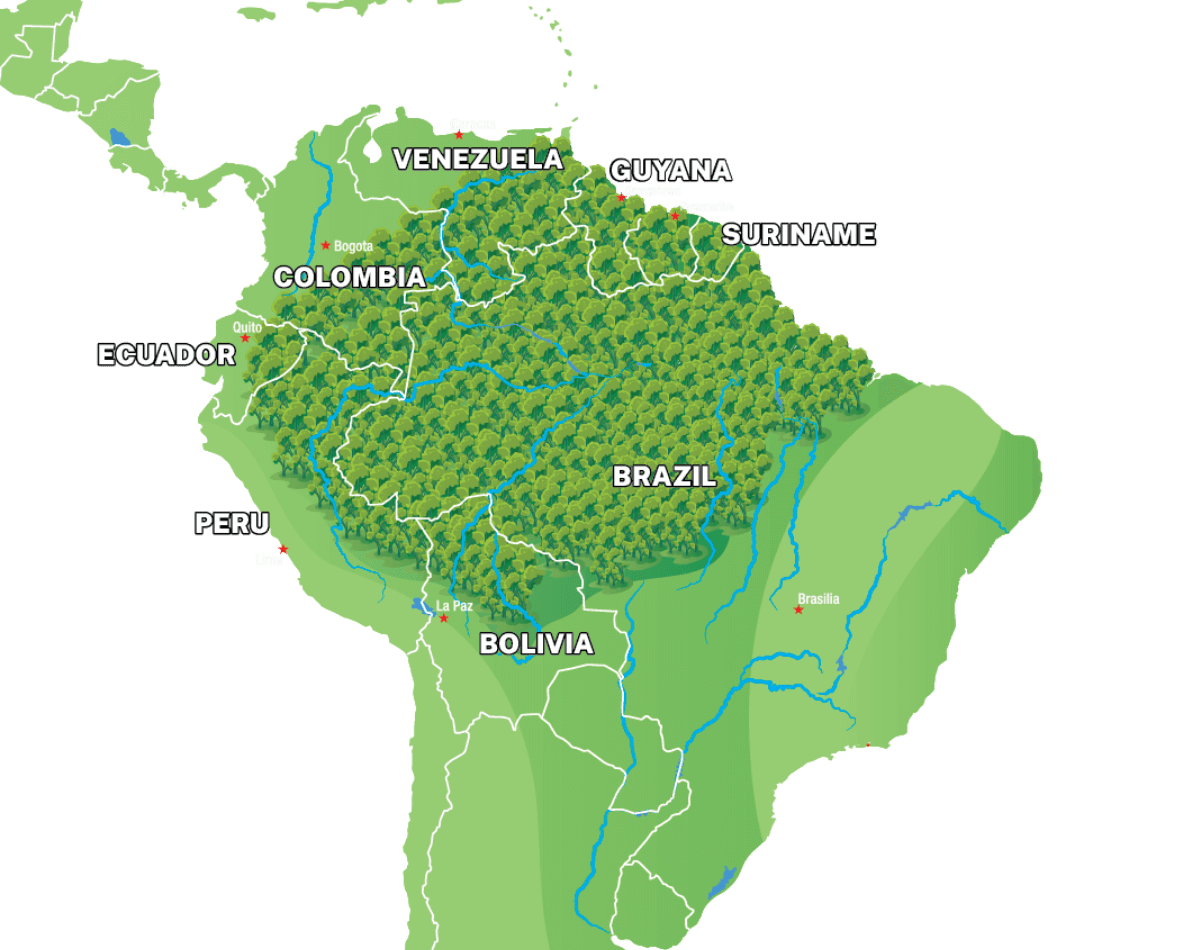
ACTO brings together eight Amazonian countries — Bolivia, Brazil, Colombia, Ecuador, Guyana, Peru, Suriname, and Venezuela — united by the shared commitment to protect the Amazon and promote the sustainable development of the region.
These countries share the largest tropical biome on the planet, home to more than 50 million people and containing around 20% of the world’s fresh water.
Spanning over 7.5 million km² of forest, it encompasses a unique diversity of peoples, cultures, and ecosystems that sustain life and global climate balance.
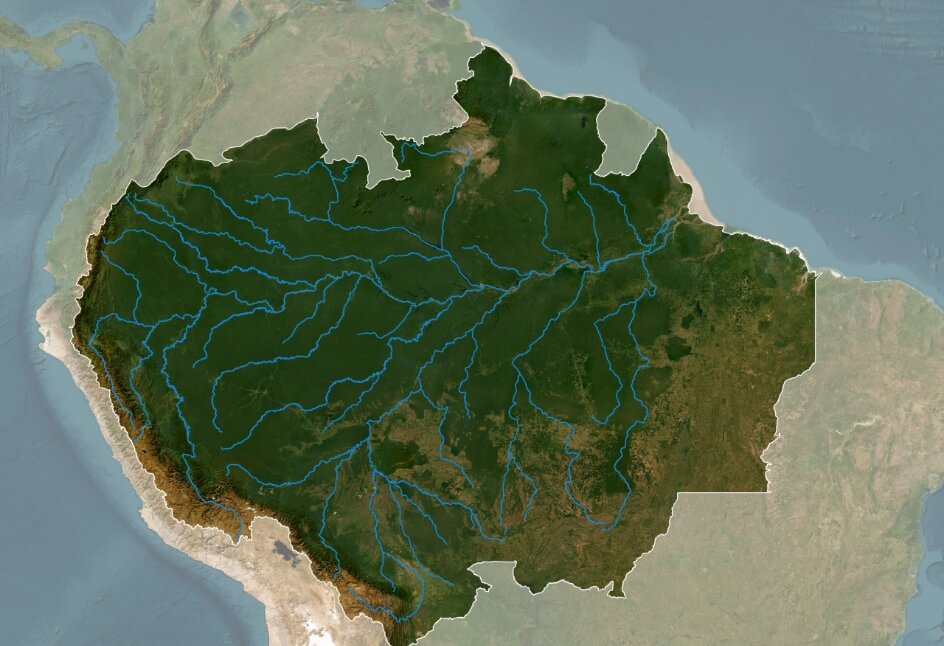
Access the content below to learn more about the ACTO member countries.





Our partners
The strength of ACTO lies in cooperation.
We work alongside governments, development banks, international agencies, and scientific institutions that share the same purpose: building a sustainable future for the Amazon and its peoples.

ACTO Team
Secretary-General
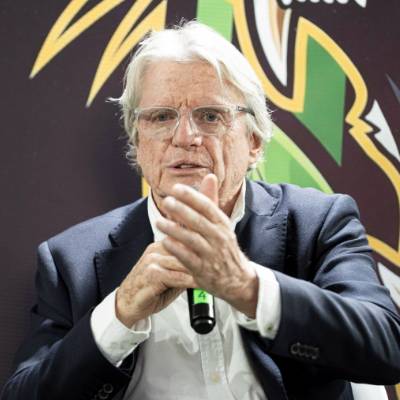
Martín Von Hildebrand
Secretary-General
Martín Von Hildebrand has spent the last five decades supporting indigenous communities in the Colombian Amazon. During this time, he has been a key figure in securing the recognition of indigenous communities’ rights in the National Constitution, including collective ownership of their lands and the free development of their governments.
Currently, these communities possess 26 million continuous hectares in the Amazon rainforest; their rights have been recognized, and many of their governments have been established.
Today, Martín, together with NGOs, indigenous organizations, civil society, governments, and private companies, is coordinating the protection of the largest strip of tropical forests on the planet (the northern part of the Amazon between the Andes and the Atlantic, 260 million hectares).
He is an ethnologist, holds a Ph.D. from the University of Paris VII, and is the founder and current president of the Gaia Amazonas Foundation. He has been awarded a dozen international prizes, such as The Right Livelihood Award, Talberg Award, The Golden Arc Award, the Irish Presidential Distinguished Service Award, and the National Environmental Award.
Directors
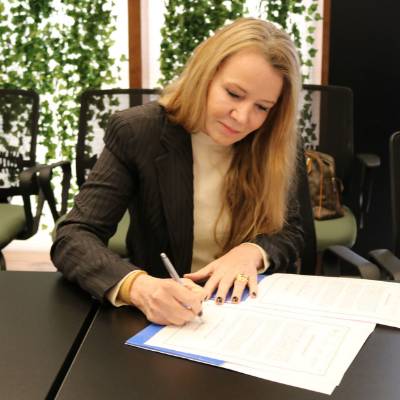
Vanessa Grazziotin
Executive Director
With a distinguished parliamentary career spanning three decades, from 1989 to 2019, Vanessa Grazziotin is recognized as one of the few Brazilian women with extensive experience in this field. In addition to serving as a Senator for the state of Amazonas (2011-2019), she held the position of Federal Deputy for three terms (1999-2011) and was a City Councilor in Manaus for three terms (1989-1999).
Throughout her political trajectory, she has built a solid reputation, particularly in the state of Amazonas, and is nationally acknowledged for her contributions. Furthermore, she has developed leadership and management skills, demonstrated by her role as the chairperson of various committees in both the Federal Senate and the Chamber of Deputies, including the Joint Committee on Climate Change and the Committee on the Amazon and Regional Development. Her leadership also extended to the Latin American Parliament, where she chaired the Brazilian Group.
Over the course of her career, she has participated in and organized conferences and missions both abroad and in Brazil, with a special focus on environmental, Amazonian, and gender equity issues. Her commitment to international cooperation and the pursuit of innovative solutions in public policies has made her a respected figure both nationally and internationally.

Edith Paredes
Administrative Director
She is a committed and highly qualified Ecuadorian professional with a distinguished track record in the field of international cooperation and social project management. Her work experience includes key roles in national projects, collaborating with organizations such as UNHCR, IOM, ILO, UNDP, and UNICEF, as well as governments and NGOs. She stands out for her ability in budget development, monitoring budget execution, and promoting the inclusion of socio-economic issues on the government agenda. Her active participation in working groups has contributed to the design and implementation of activities to strengthen livelihoods in vulnerable communities, and she has led external communication strategies to facilitate engagement with various stakeholders.


