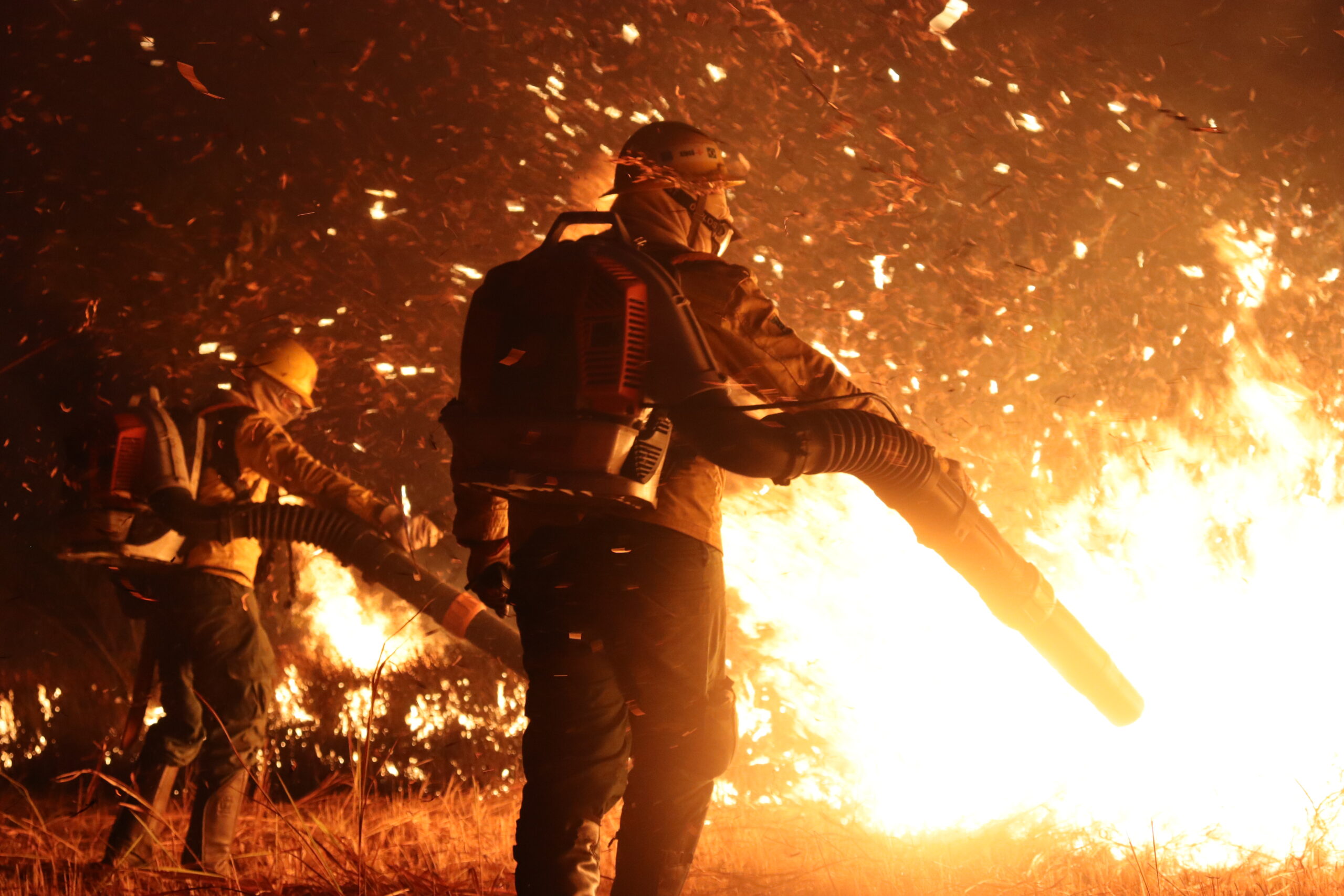
The Amazon Cooperation Treaty Organization (ACTO), through the Amazon Regional Observatory (ARO) and the Amazon Network for Integrated Fire Management (RAMIF), held the launch event of Virtual ExpoMIF on February 5, 2026. The platform is dedicated to showcasing good practices in Integrated Fire Management (IFM) in the Amazon. So far, more than 60 good practices from nine countries have been identified, highlighting the regional scope of the initiative.
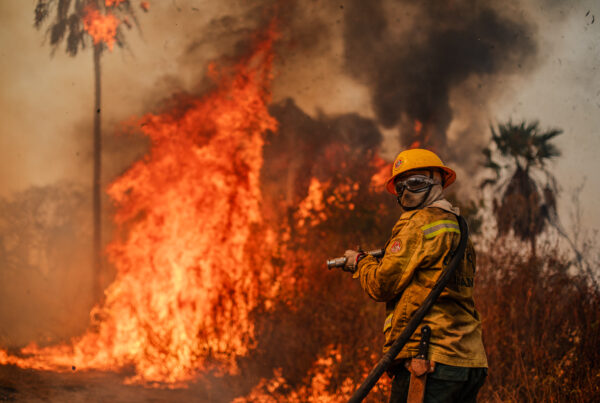
“The Amazon is essential for global climate balance and for the lives of millions of people. However, advancing deforestation, degradation, and the effects of climate change have increased the frequency and intensity of fires across the region,” said Martín von Hildebrand, ACTO Secretary-General, in the event’s opening video. Over the past decade, approximately 12% of the Amazon has been affected by forest fires, and in 2024 alone around 16 million hectares were burned.
The issue is a strategic priority for ACTO. “Forest fires have become a true regional challenge that tests both our institutional capacity and that of our member countries. Fires require stronger coordination and regional cooperation and are a shared responsibility. Therefore, within ACTO, integrated fire management has been consolidated as a strategic priority in our work agenda,” explained Edith Paredes, ACTO Administrative Director.
Within ACTO, this agenda is led by the Amazon Network Integrated Fire Management (RAMIF), created in December 2023 to strengthen technical cooperation among Amazonian countries, promote exchange of experiences, harmonize approaches, and support capacity development for prevention, preparedness, response, and recovery related to forest fires.
The ExpoMIF platform is driven by German Cooperation (GIZ) and Swiss Cooperation (SDC/COSUDE) through the CoRAmazonia project, and is supported by strategic partners such as FAO, the Global Fire Management Hub, the European Union’s Amazonía+ programme, and the Inter-American Development Bank (IDB). This reinforces interinstitutional coordination based on collaboration and complementarity of actions.
A challenge without borders
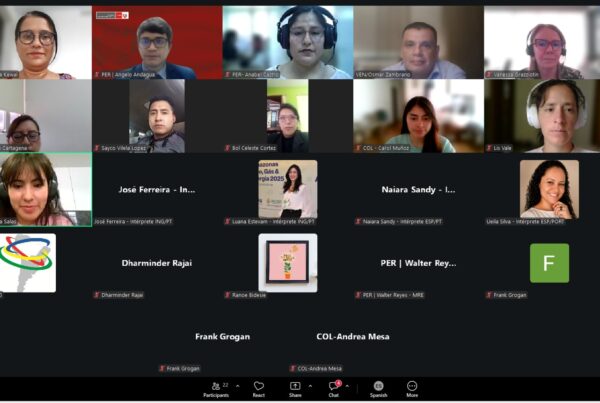
Broadcast virtually across the region, with more than 500 registered participants, the event introduced ExpoMIF as a technical exchange space for public institutions, civil society organizations, local communities, and specialists working in the prevention, monitoring, and management of forest fires in the Amazon. The platform brings together experiences, methodologies, and solutions applied in different Amazonian contexts, strengthening regional capacities and promoting cross-country learning.
“Today we are not only presenting a digital platform, but activating a regional community of practice. ExpoMIF stems from a simple yet powerful idea: fire is a challenge that does not respect borders; therefore, its solutions should not have borders either. We are here to transform isolated experiences into regional learning, and that learning into coordinated action,” said Fernando Ramírez, event moderator and consultant dedicated to ExpoMIF.
The good practices presented reflected the diversity of Integrated Fire Management approaches in the region. From Bolivia, Saúl Cuellar of Fundación Amigos de la Naturaleza (FAN) highlighted the AMA Platform, focused on monitoring alerts, pressures, and threats in the Amazon, as an example of innovation and digital tools. In Ecuador, Mayra Falcones of the Amazonía Sin Fuego Programme (PASF) presented conservation agriculture as an alternative to the use of fire, with a focus on strengthening local capacities. Representing Brazil, Yara Araújo of MAP Fire shared experiences from the activity guides “Fogo! Pantanal” and “Fogo! Amazônia,” aimed at communication and awareness-raising. From Peru, David Torres of the Asháninka Center of the Ene River presented the Paamari strategy, which links fire use and fire prevention through community knowledge and strategies. Colombia was represented by Gabriel Avellaneda of the Ministry of Environment and Sustainable Development, who presented the National Network of Community Brigades Against Forest Fires as a governance model for sustainability. Together, these initiatives show how solutions developed in different national contexts and specific IFM dimensions can generate shared learning and strengthen regional cooperation in fire management.
Watch the recording of the virtual launch event:
ARO and regional monitoring
The event also highlighted the role of the Amazon Regional Observatory (ARO) as ACTO’s technical-scientific platform for producing, integrating, and sharing strategic data. Among its core functions is the systematic monitoring of heat hotspots across the eight Amazonian countries, generating comparable and timely information that supports decision-making, risk management, and coordinated responses at the regional scale.
ARO is also preparing to launch a regional burned areas dashboard covering all eight Amazonian countries, expanding the evidence base for public policies and technical cooperation in fire management.
Next steps
The ExpoMIF platform will also include an in-person exchange event on good practices, aimed at deepening technical and political dialogue and promoting agreements and interinstitutional partnerships that strengthen regional cooperation in Integrated Fire Management. Details of this next phase will be announced in due course.
Discover ExpoMIF now. Visit: