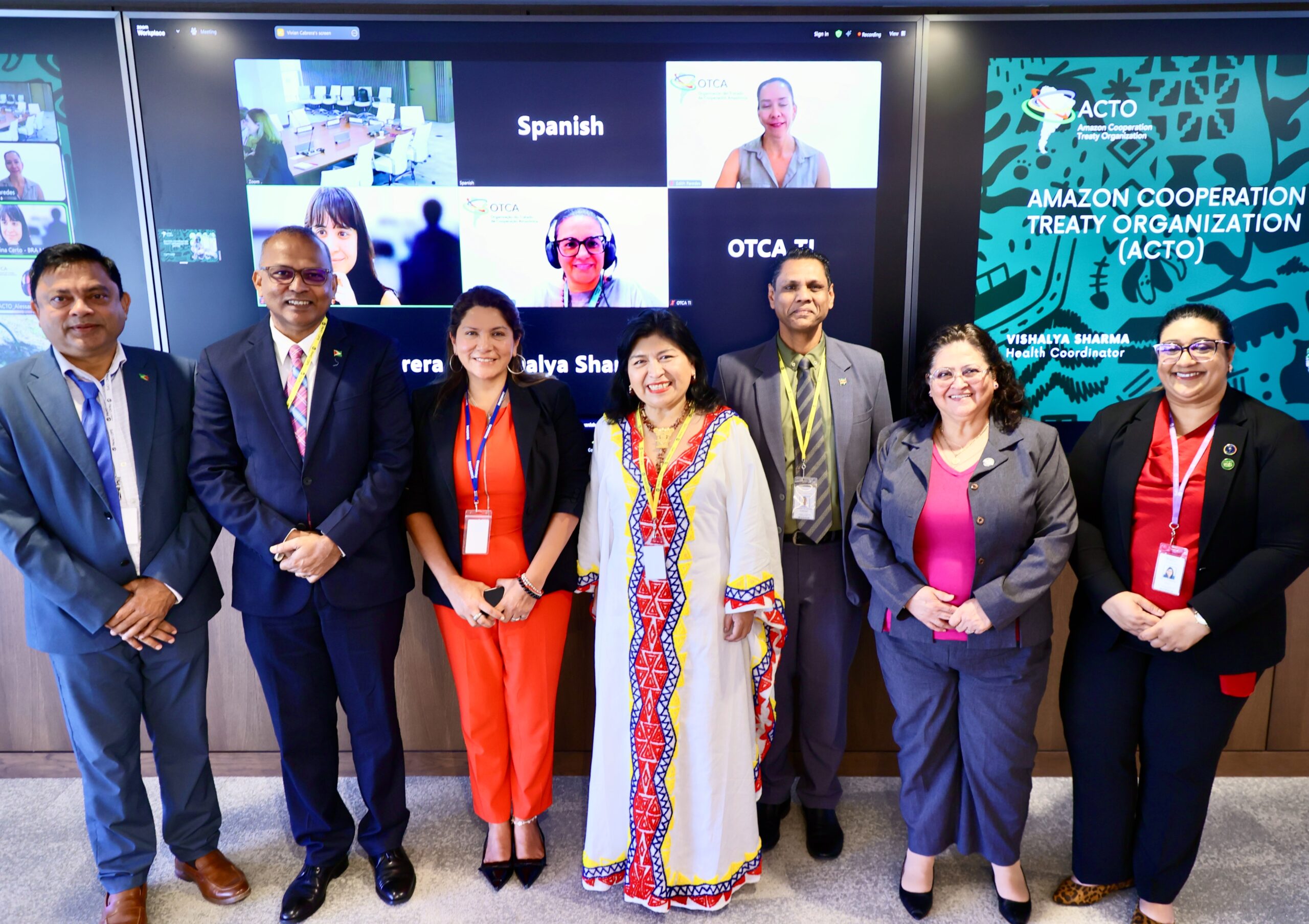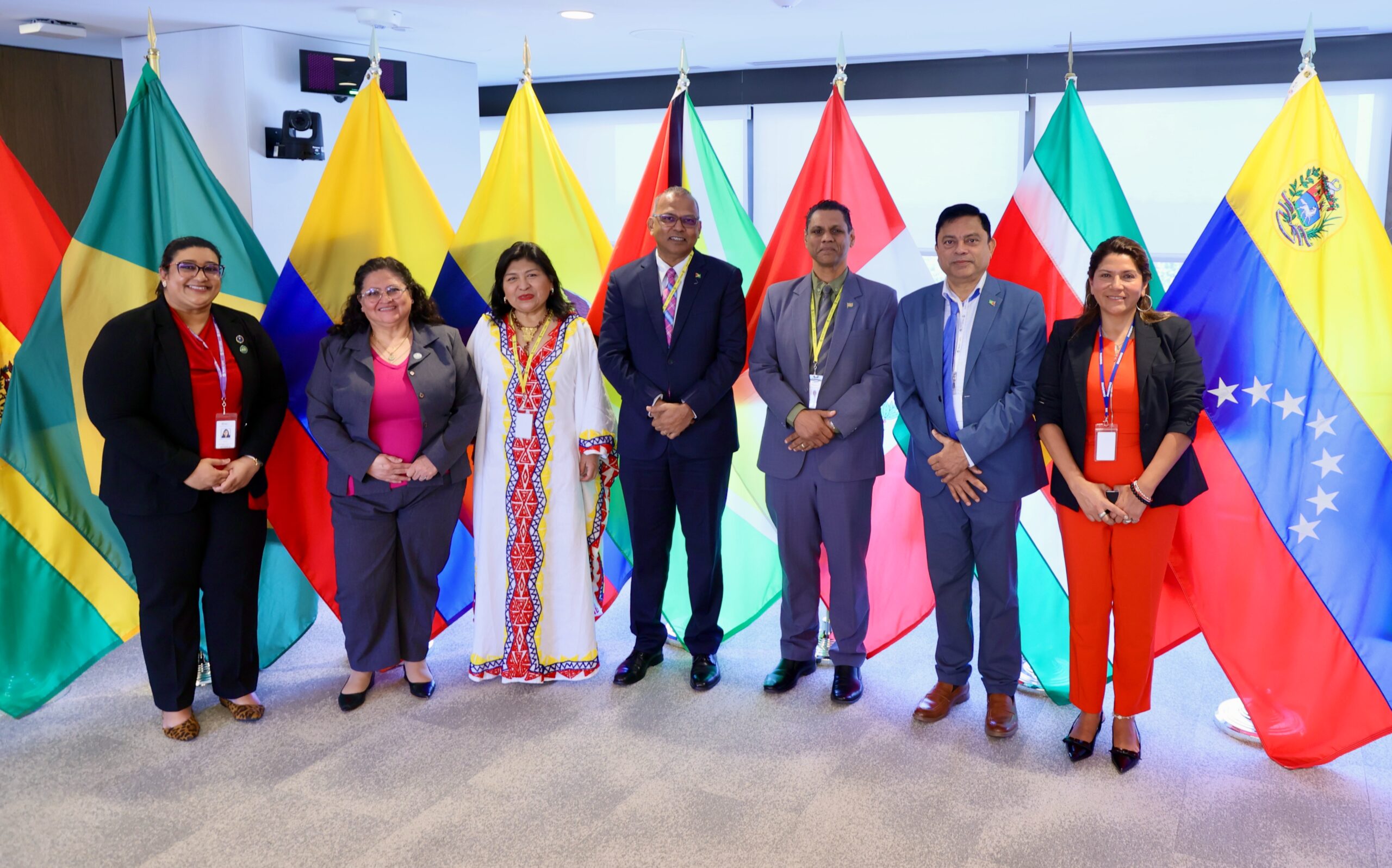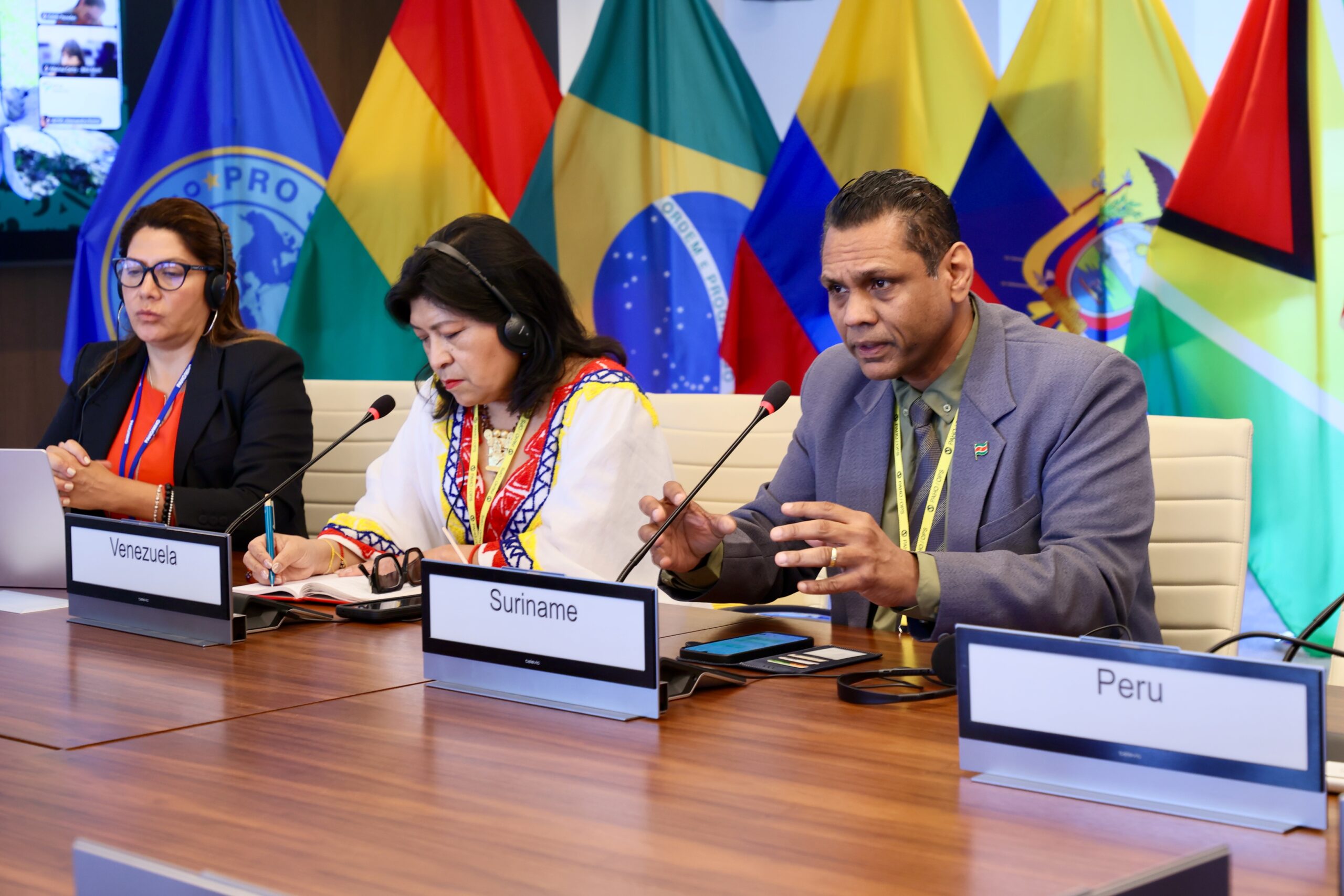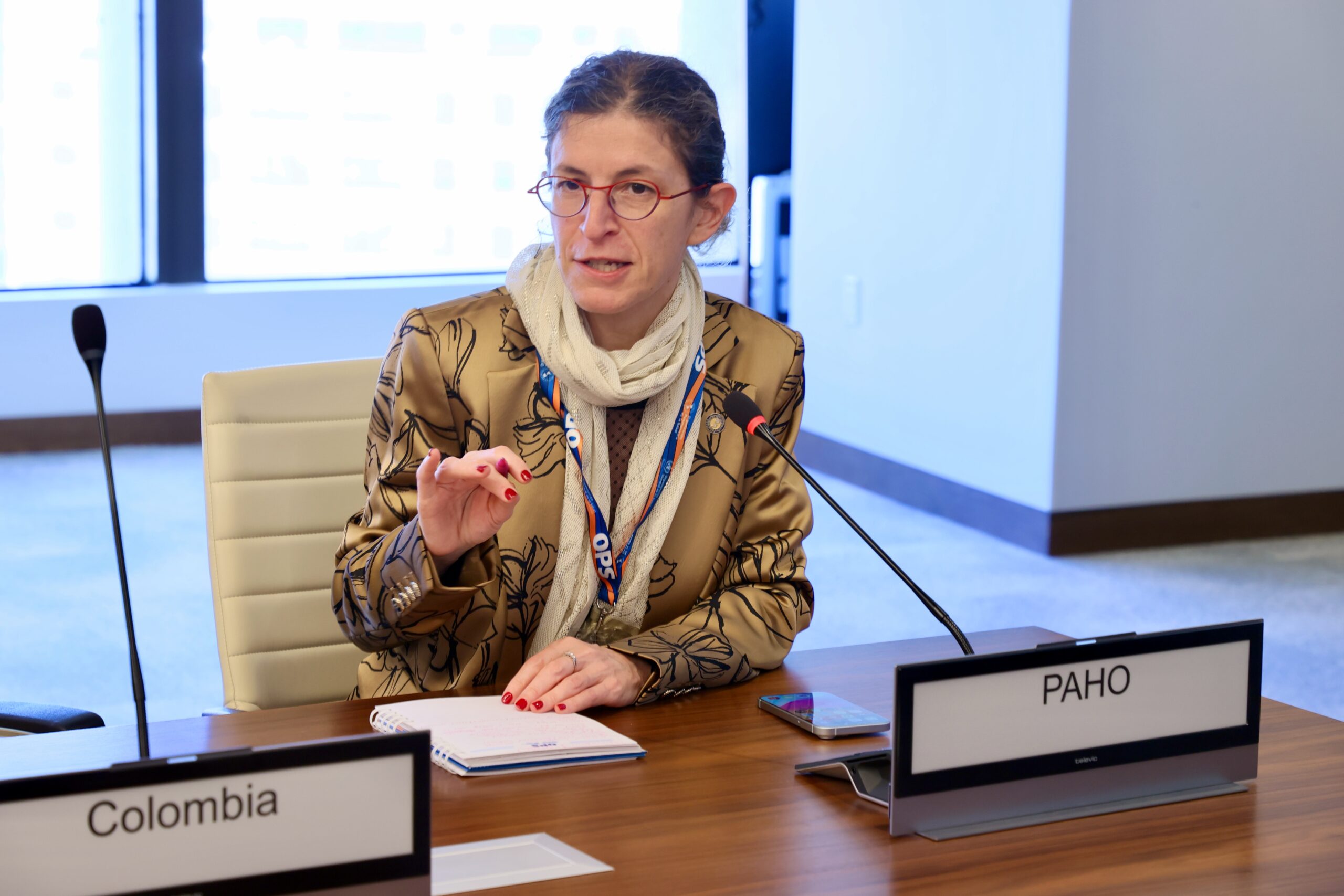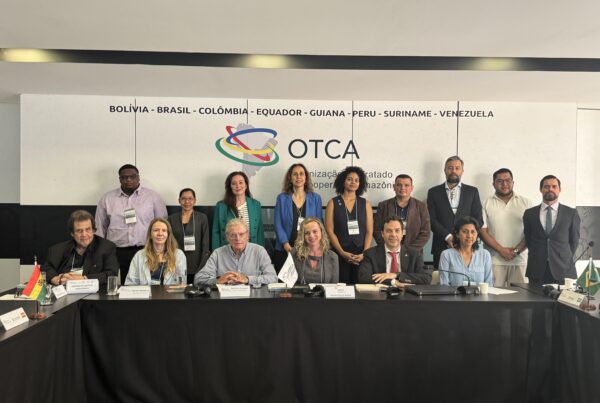
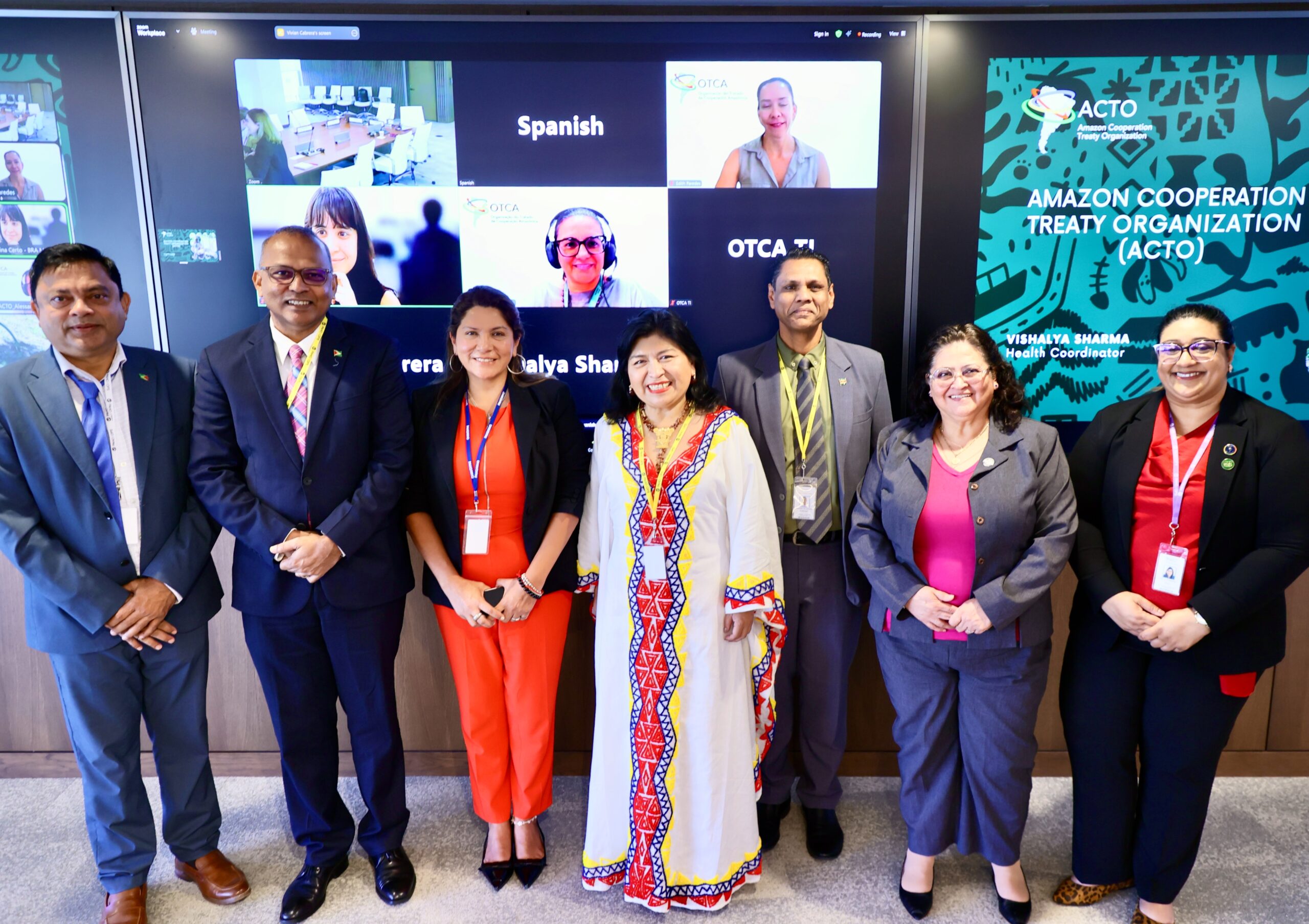
Representatives of the Ministries of Health of ACTO Member Countries met in Washington to discuss common priorities and actions to strengthen regional health cooperation in the Amazon.
Under the “presidency pro tempore,” of Guyana
Washington, D.C., September 30, 2026. Representatives of the Ministries of Health of the Member Countries of the Amazon Cooperation Treaty Organization (ACTO) met in Washington, D.C., to advance a regional cooperation agenda to address shared health challenges in the Amazon region.
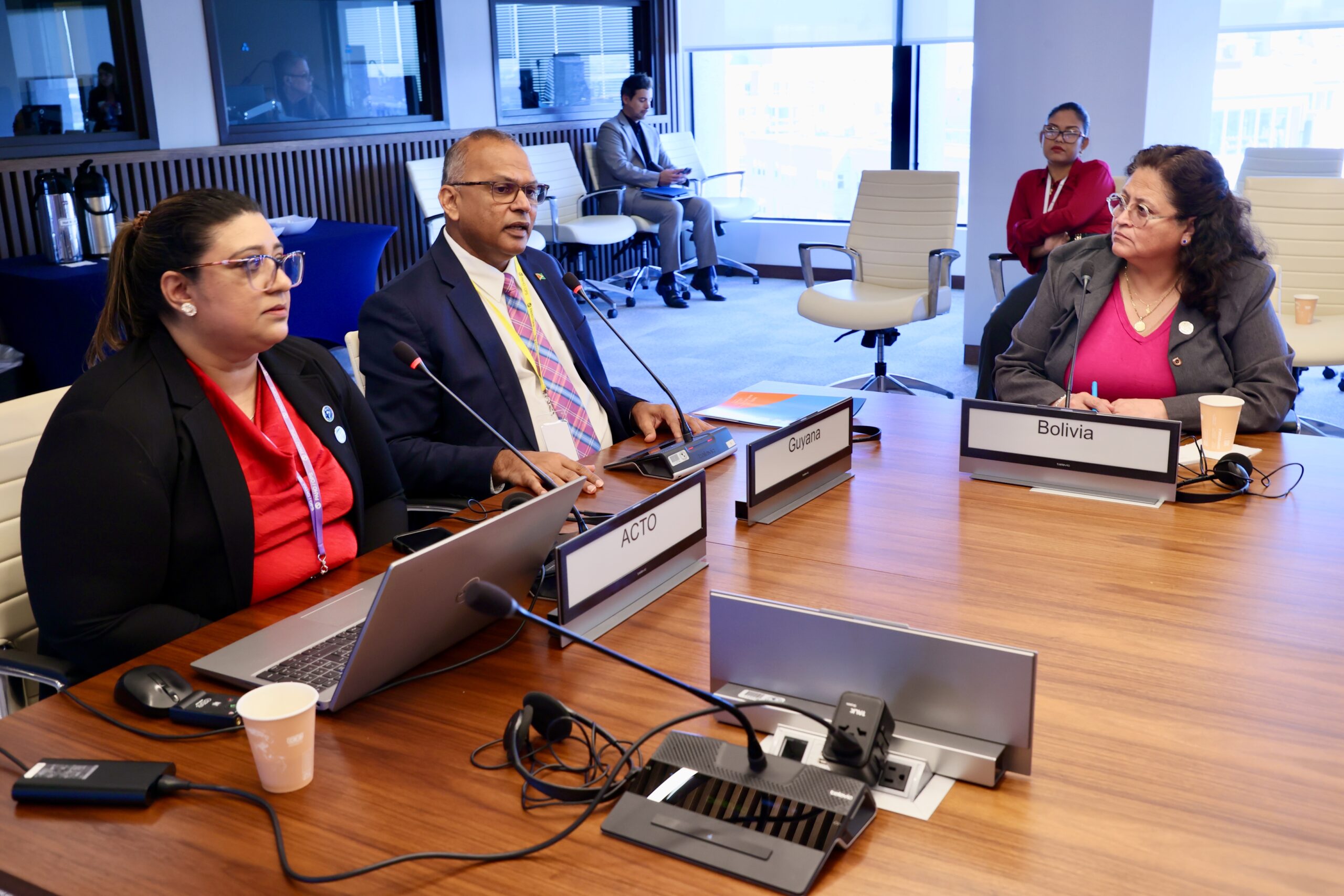
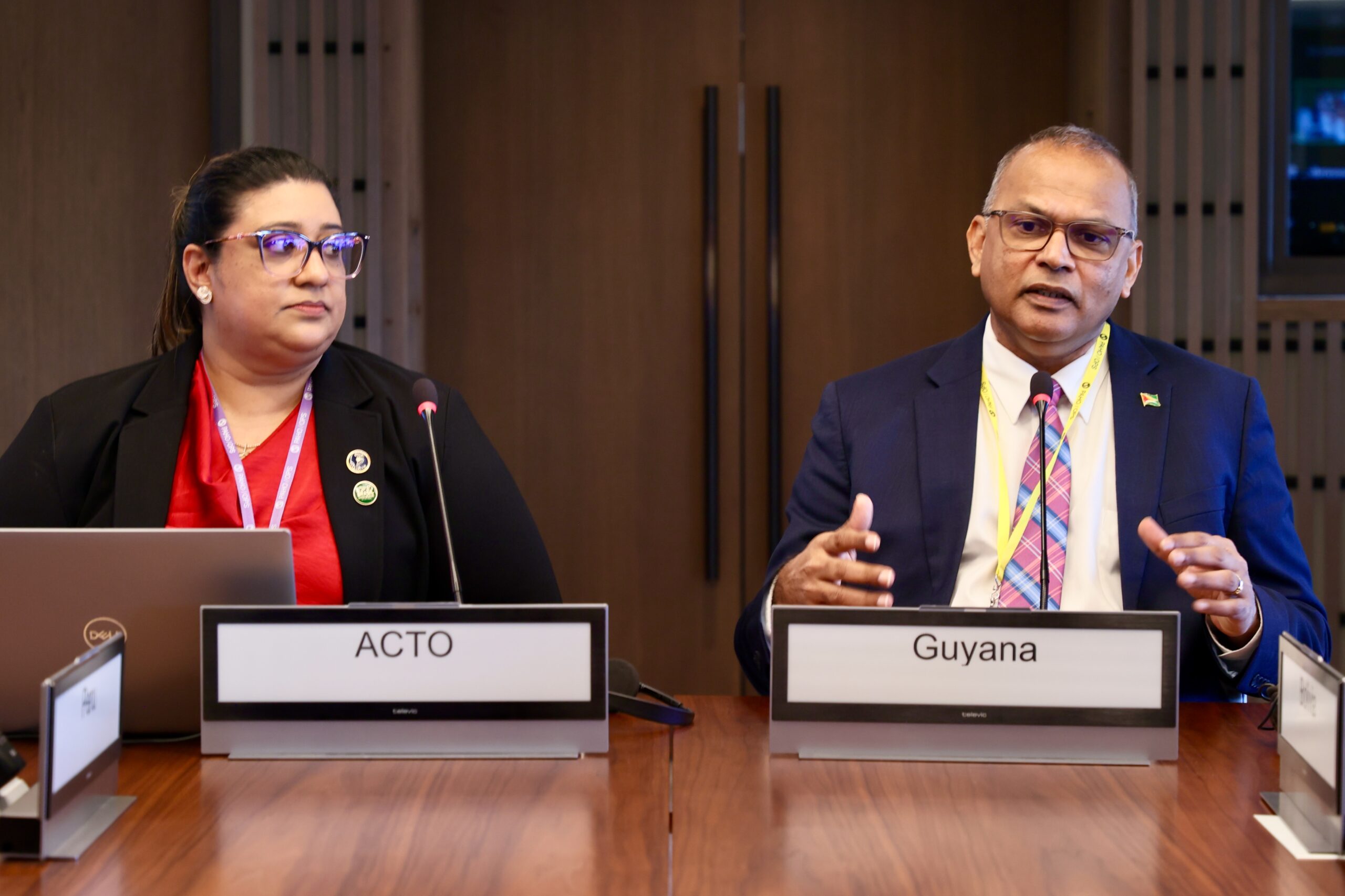
The meeting was convened and chaired by the Minister of Health of Guyana, Dr. Frank Anthony, who holds the Presidency of the Special Commission on Health in the Amazon (CESAM), and took place on the sidelines of the 63rd Directing Council of the Pan American Health Organization (PAHO). Guyana assumed Pro Tempore Presidency of the Special Commission on Health in the Amazon (CESAM) on September 8, 2026.
Representatives from Guyana, Bolivia, Suriname, and Venezuela participated in person, while Brazil joined virtually. Representatives of PAHO and the ACTO Permanent Secretariat also attended.
During the opening session, Guyana’s Minister of Health, Frank Anthony, highlighted the importance of translating regional dialogue into a work agenda with concrete and measurable results. Priorities discussed included malaria, hepatitis B and C, Indigenous Peoples’ health, intercultural health, and epidemiological surveillance.
Malaria and regional cooperation
Malaria was a central focus of the discussions. The countries highlighted the opportunity to coordinate national strategies and capacities, share experiences, and advance toward common objectives and actions.
In this context, Suriname’s experience in eliminating local malaria transmission was highlighted as a valuable reference for the exchange of knowledge and good practices among Member Countries.
As part of the next steps, participants proposed moving toward a regional malaria plan that brings together national strategies and enables the definition of common objectives and actions, drawing on the technical experience of Brazil and PAHO.
PAHO expressed its willingness to continue providing technical cooperation to the countries, particularly to link disease elimination efforts with an intercultural approach and concrete regional outcomes.
From priorities to action
The ACTO Permanent Secretariat noted that the priorities identified are aligned with the ongoing strengthening of CESAM, whose reactivation was mandated in 2023. Its guidelines have been approved, and the General Work Plan is currently under discussion.
Regarding malaria, ACTO will work to promote the exchange of Suriname’s good practices and advance regional actions, including the possibility of holding a technical workshop in the country with the support of cooperation partners.
The meeting also addressed the development of the health module of the Amazon Regional Observatory (ARO) and the need to identify national focal points to facilitate the exchange and interoperability of health data from the Amazon region.
At the close of the meeting, participants identified malaria as one of the priority areas for advancing regional coordination by connecting national strategies and defining common actions. They also proposed continuing work on hepatitis as proposed and exploring opportunities for cooperation and financing with multilateral organizations.
The meeting marks another step in strengthening the regional health cooperation, aimed at translating the shared priorities of the Member Countries into concrete actions for the populations of the Amazon region.