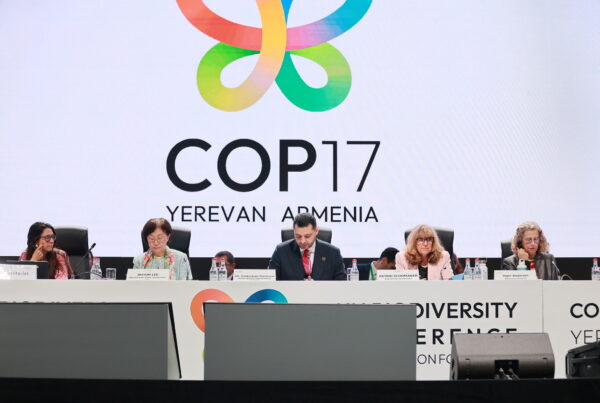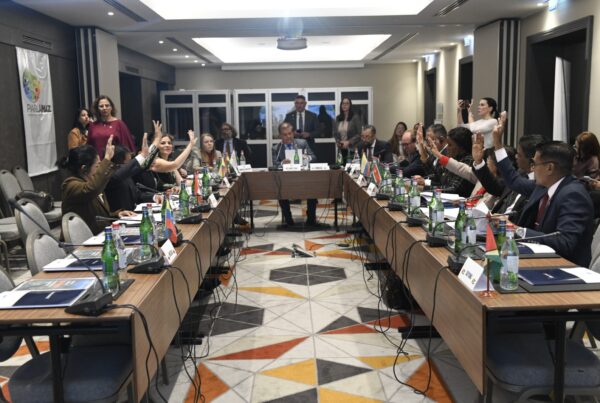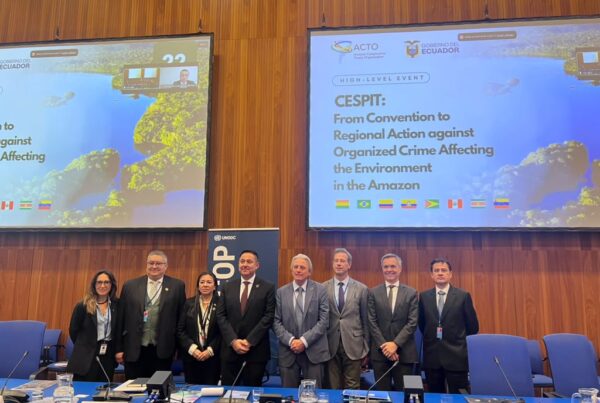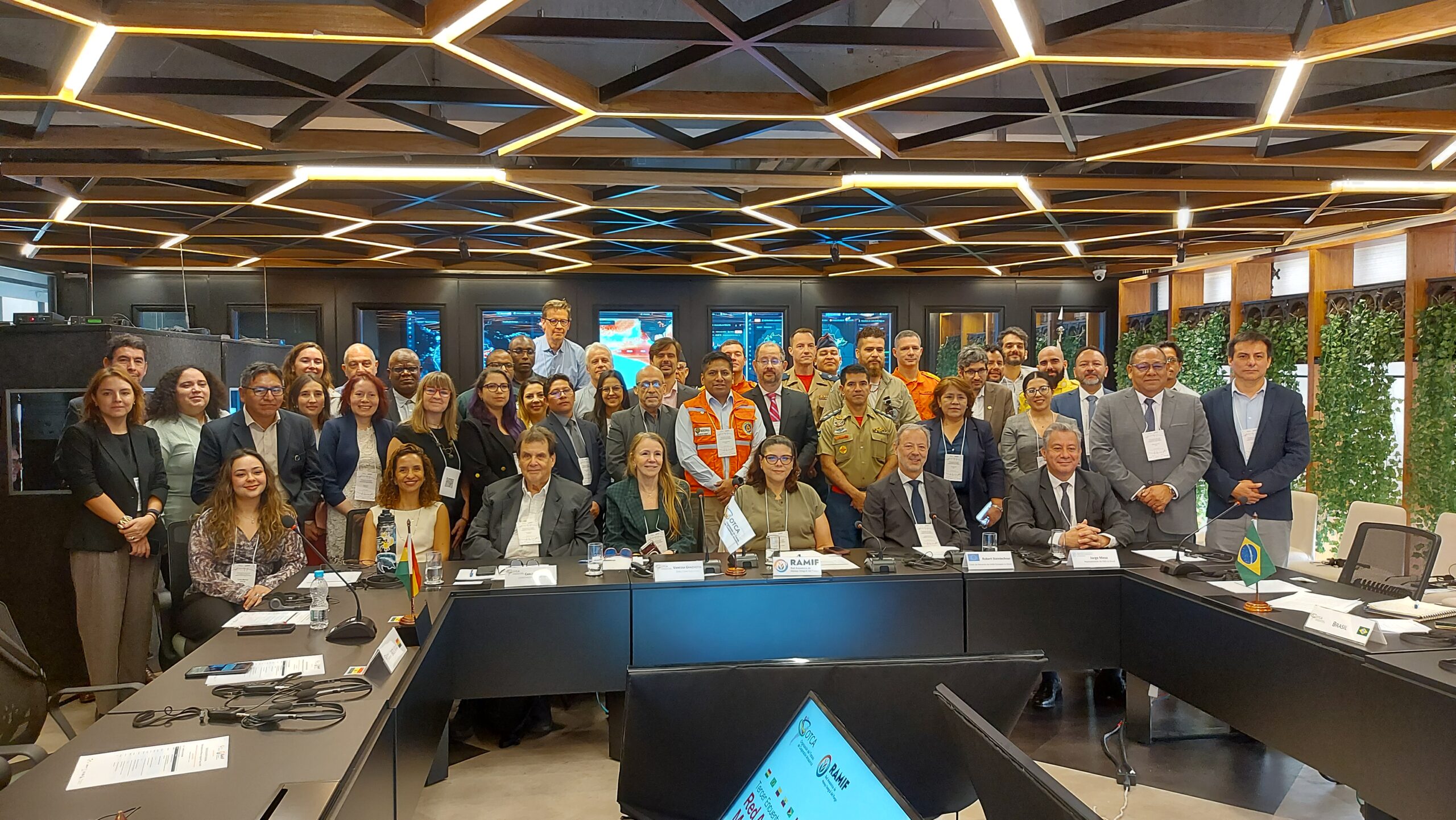
The Third Regional Meeting of RAMIF brings together representatives of ACTO’s eight Member Countries and international cooperation partners to assess progress and define work priorities for 2027–2029.
Brasília, 10 November 2026. The Amazon Cooperation Treaty Organization (ACTO) opened the Third Regional Meeting of the Amazon Network for Integrated Fire Management (RAMIF) on Tuesday at its headquarters in Brasília. The meeting brings together delegations from the eight Member Countries, technical institutions and international cooperation organizations to strengthen wildfire prevention, preparedness and coordinated response across the Amazon region.
Over the three-day meeting, from 10 to 12 November, representatives of Bolivia, Brazil, Colombia, Ecuador, Guyana, Peru, Suriname and Venezuela will review the results of the 2024–2026 Work Plan and develop a new regional cooperation agenda for 2027–2029.
The meeting aims to identify countries’ key needs and capacities, share experiences and establish priority actions to strengthen integrated fire management, with particular attention to preparedness for the 2027–2028 wildfire season.
Strengthening regional cooperation and response capacity
During the opening ceremony, Vanessa Grazziotin, Executive Director of ACTO, emphasized that RAMIF’s work reflects the commitment of Amazon countries to developing joint responses to one of the region’s major environmental challenges.
“We are building a regional cooperation capacity that goes beyond individual responses to immediate needs. We are creating the conditions to share knowledge, strengthen our institutions, improve preparedness and expand opportunities for mutual assistance,” she stated.
Grazziotin stressed that regional cooperation must translate into concrete mechanisms that enable countries to act in a coordinated manner during emergencies. In this context, she highlighted progress on the Operational Arrangement for Cooperation and Mutual Assistance among ACTO Member Countries for Preparedness and Timely Response to Forest Fires in the Amazon Region.
This instrument establishes mechanisms for requesting and coordinating support among countries when an emergency exceeds national response capacities, while fully respecting each State’s sovereignty.
María Fernanda Fernández, representing the RAMIF Pro Tempore Presidency, currently held by Ecuador, recalled the Network’s progress since its establishment and emphasized the importance of moving towards a new phase of implementation.
Fernández noted that the next Work Plan should define priority actions and the technical and financial resources required to carry them out. She also highlighted the importance of moving forward with the operationalization of the Forest Fire Response Committee, intended to strengthen institutional preparedness and the coordination of mutual assistance.
International cooperation supports RAMIF’s progress
The opening ceremony was attended by representatives of the European Union, German Development Cooperation and the Food and Agriculture Organization of the United Nations (FAO), who highlighted the importance of regional coordination in addressing forest fires.
Robert Steinlechner, Head of Cooperation at the Delegation of the European Union to Brazil, emphasized ACTO’s role in developing cooperation mechanisms that help translate regional dialogue into operational capacities. He also highlighted the importance of exchanging experiences, strengthening institutions and mobilizing resources to address the Amazon region’s environmental challenges.
Representing German Development Cooperation, Rita Walraf, First Secretary responsible for Sustainable Development Cooperation at the German Embassy in Brazil, reaffirmed support for strengthening RAMIF through the CoRAmazonia project, implemented by GIZ with co-financing from Swiss Cooperation.
Jorge Meza, FAO Representative in Brazil, highlighted that RAMIF’s collaboration with the Global Fire Management Hub expands opportunities for regional and international cooperation by facilitating access to specialized knowledge, methodologies, tools and good practices.
Meza emphasized that integrated fire management (IFM) must go beyond emergency response to incorporate prevention, science, innovation and monitoring technologies, alongside the traditional knowledge of Indigenous Peoples and local communities.
“Valuing this knowledge and these experiences is essential to developing strategies that are better adapted to local realities,” he stated.
The meeting is supported by the CoRAmazonia project, implemented by GIZ Brazil; the Amazonía+ Programme, supported by the European Union; and FAO’s Global Fire Management Hub.