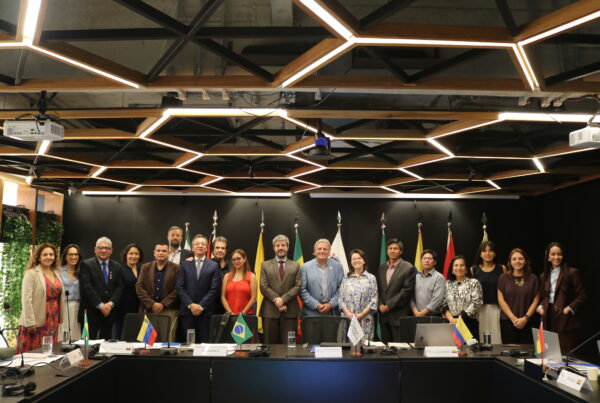
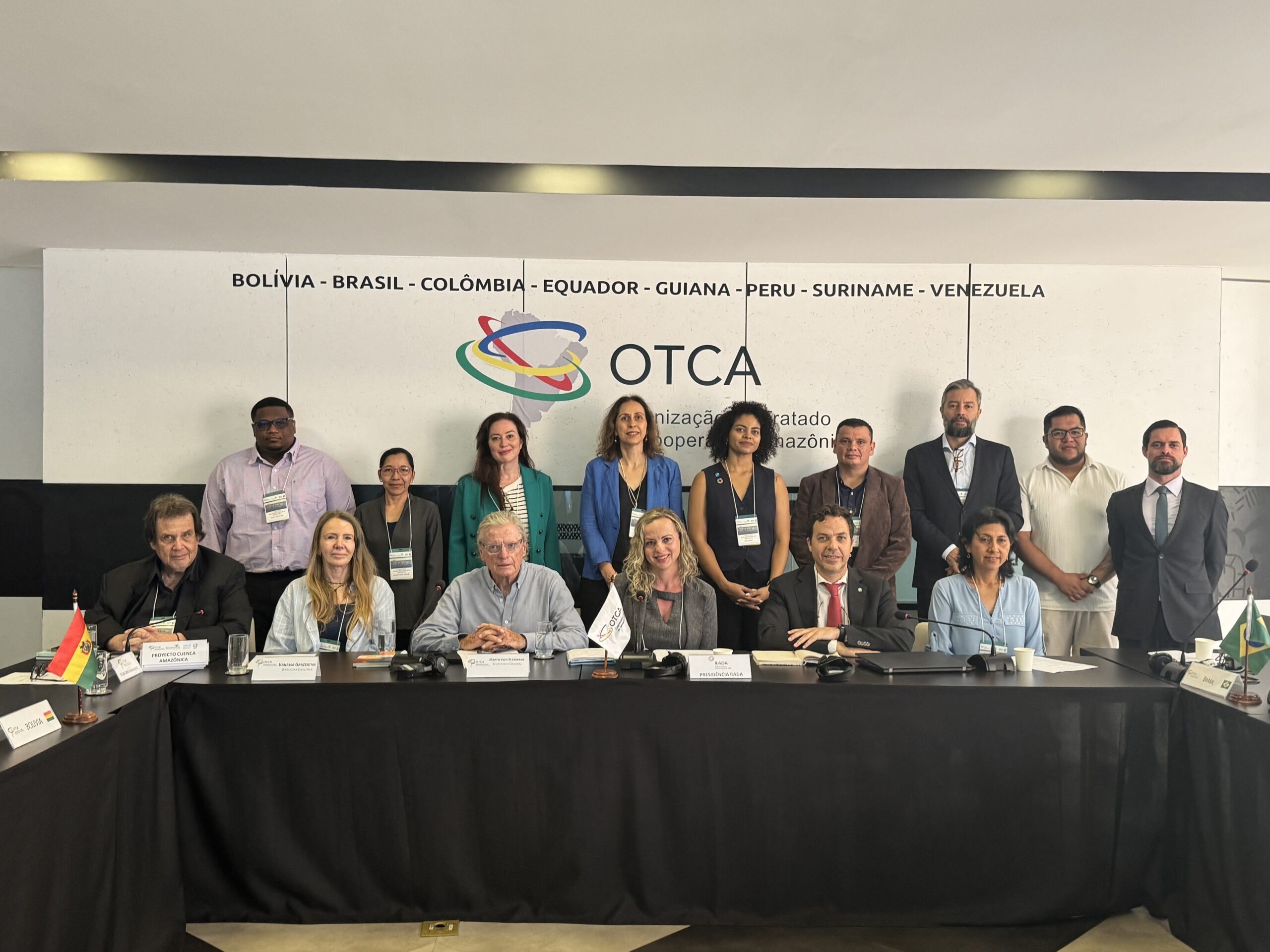
The water authorities of the eight Member Countries of the Amazon Cooperation Treaty Organization (ACTO) adopted the Water White Paper on October 8, a strategic framework that establishes the foundations and guidelines for the gradual implementation of a permanent regional cooperation mechanism for integrated water resources management in the Amazon Basin. The decision was made during the VI Extraordinary Meeting of the Amazon Network of Water Authorities (ANWA/RADA), held at ACTO headquarters in Brasília.
The Water White Paper brings together and connects instruments, processes, and capacities developed within ACTO over recent years, integrating them into a common regional architecture, with ANWA/RADA at the core of this mechanism. These instruments include the Strategic Action Program (SAP), the Amazon Regional Observatory (ARO), regional hydrological and water quality monitoring networks and protocols, as well as initiatives aimed at institutional strengthening, capacity building, and participation.
Opening the meeting, ACTO Secretary-General Martín von Hildebrand emphasized that the importance of the White Paper lies precisely in organizing these advances and assigning each element a complementary role within a common mechanism. Under this architecture, ANWA/RADA serves as a high-level regional coordination and strategic guidance body, supported technically by its Specialized Technical Panel (STP/ANWA) and institutionally and operationally by ACTO’s Permanent Secretariat.
“In this way, progress will no longer depend exclusively on the duration of specific projects but will become part of a permanent regional cooperation mechanism,” the Secretary-General stated.
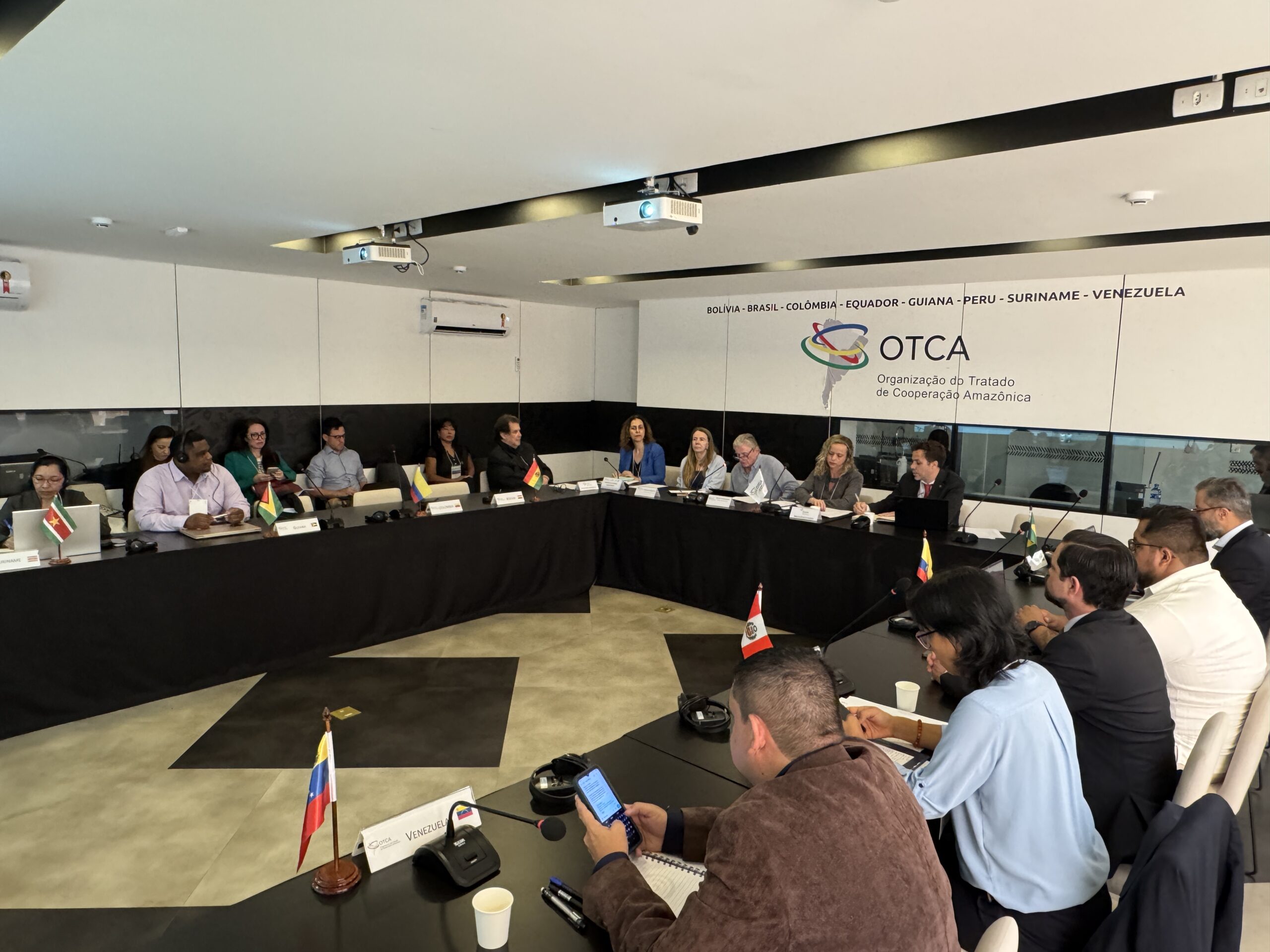
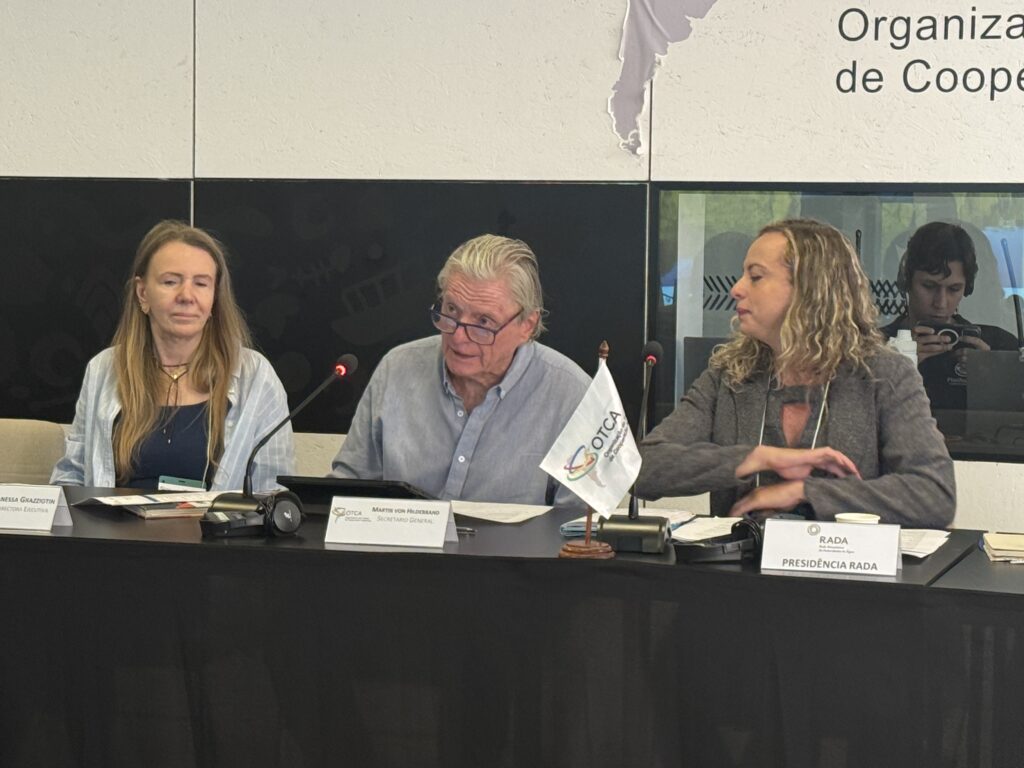
Renata Maranhão, Superintendent of Plans, Programs and Projects at Brazil’s National Water and Basic Sanitation Agency (ANA), who chaired the meeting, emphasized that the White Paper represents an agreement among Amazonian countries on the way forward for water resources management in the region.
“This document will now serve as our common reference, fostering synergies so that we can work in an integrated manner and optimize our efforts. But we need to move forward and turn this commitment into projects that reach local territories and improve the lives of Amazonian populations,” she said.
According to Renata, ANWA/RADA plays a fundamental role in this process by coordinating countries’ efforts, supporting project development, and seeking new financing opportunities to strengthen the resilience of Amazonian territories.
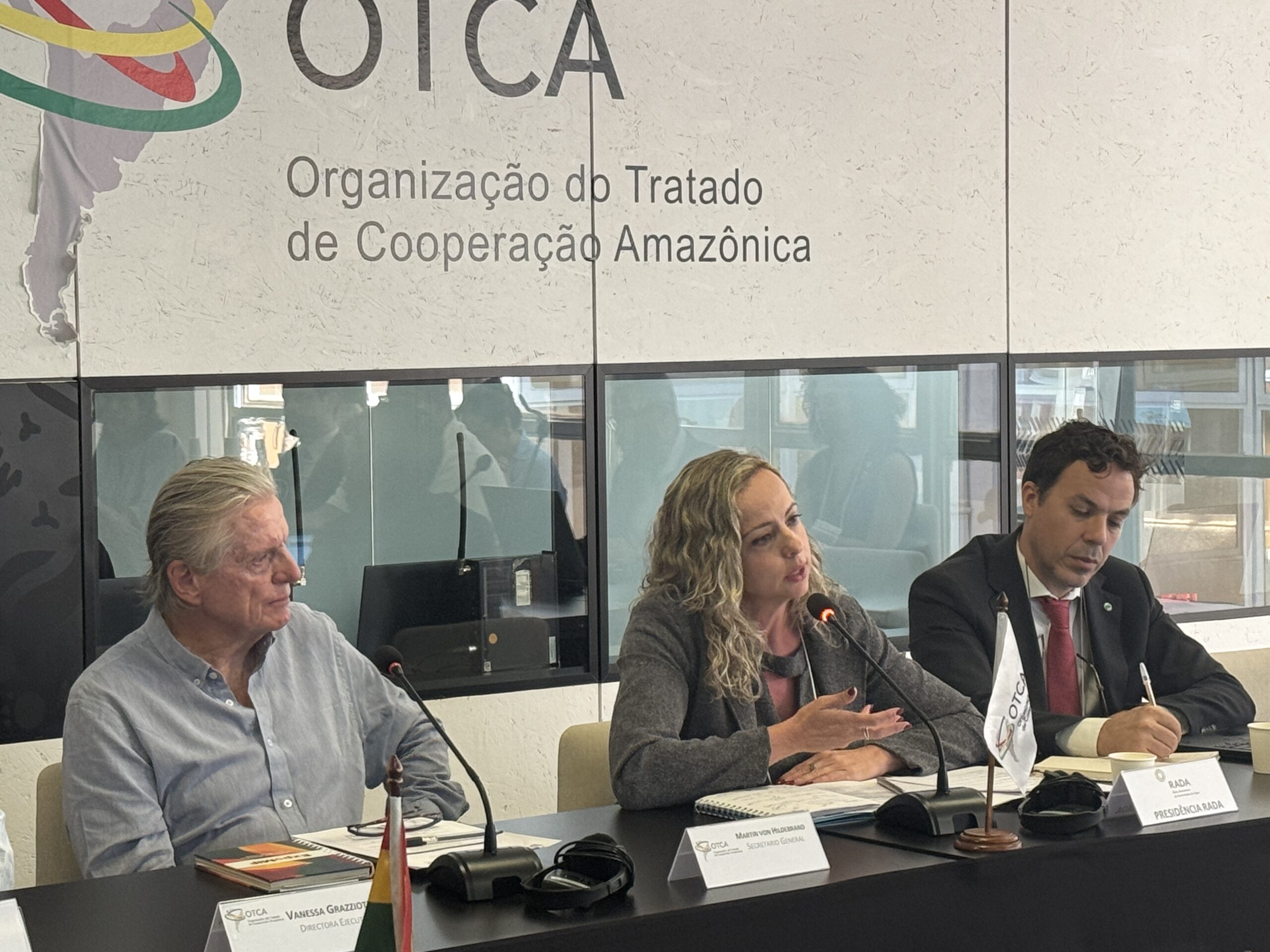
A collective effort by Amazonian countries
The adoption of the White Paper is the result of a technical and institutional drafting, review, and consolidation process carried out throughout 2026, with the participation of national water authorities, the STP/ANWA, and ACTO’s Permanent Secretariat, with support from the Amazon Basin Project.
The first version of the document was prepared in April 2026 and discussed by the STP/ANWA in May. On May 15, during the IV ANWA/RADA Meeting held in Brasília, water authorities approved the document in broad terms and recommended further technical review.
Following this guidance, the STP/ANWA conducted successive rounds of analysis and content consolidation through meetings held in August and September. The process culminated on September 24 with a consolidated version of the White Paper, accompanied by a recommendation for its final adoption by ANWA/RADA.
During the VI Extraordinary Meeting, water authorities acknowledged the work carried out by the STP/ANWA and the technical contributions of representatives from the Member Countries, also highlighting the support provided by ACTO’s Permanent Secretariat throughout the process.
From institutional architecture to implementation
Organized into eight chapters, the White Paper presents the context, foundations, principles, structure, and objectives of the Permanent Coordination Mechanism for Integrated Water Resources Management (IWRM), as well as guidance for its progressive implementation.
To guide the transition from this institutional architecture to implementation, the document establishes five Strategic Guidelines for the Implementation of the Mechanism:
- Governance and regional cooperation, aimed at strengthening institutional coordination and cooperation among Member Countries.
- Regional information and monitoring, to enhance the integration, sharing, and use of information on Amazonian water resources.
- Sustainable use and restoration of water-related ecosystems, recognizing the importance of ecosystem conservation for water sustainability.
- Capacity building, education, and participation, focusing on strengthening institutional capacities and the participation of different stakeholders involved in water management.
- Projects and sustainable financing, aimed at developing initiatives and mobilizing resources to ensure the continuity of regional cooperation efforts.
The White Paper also addresses the prioritization of actions, the development of common indicators to monitor the Mechanism’s progress and impacts, and recommendations and next steps for its gradual and continuous implementation.
The adoption of the document marks the completion of one of the strategic actions prioritized in the ANWA/RADA 2026–2028 Work Plan, approved by the Member Countries in June this year.
In the conclusions of the VI Extraordinary Meeting, water authorities reaffirmed their commitment to strengthening ANWA/RADA as a permanent platform for regional coordination and cooperation and to translating agreements among countries into concrete results.
As a next step, ACTO’s Permanent Secretariat, in coordination with the ANWA/RADA Presidency, will continue the editing, translation, layout design, publication, and dissemination of the White Paper, as outlined in the 2026–2028 Work Plan.