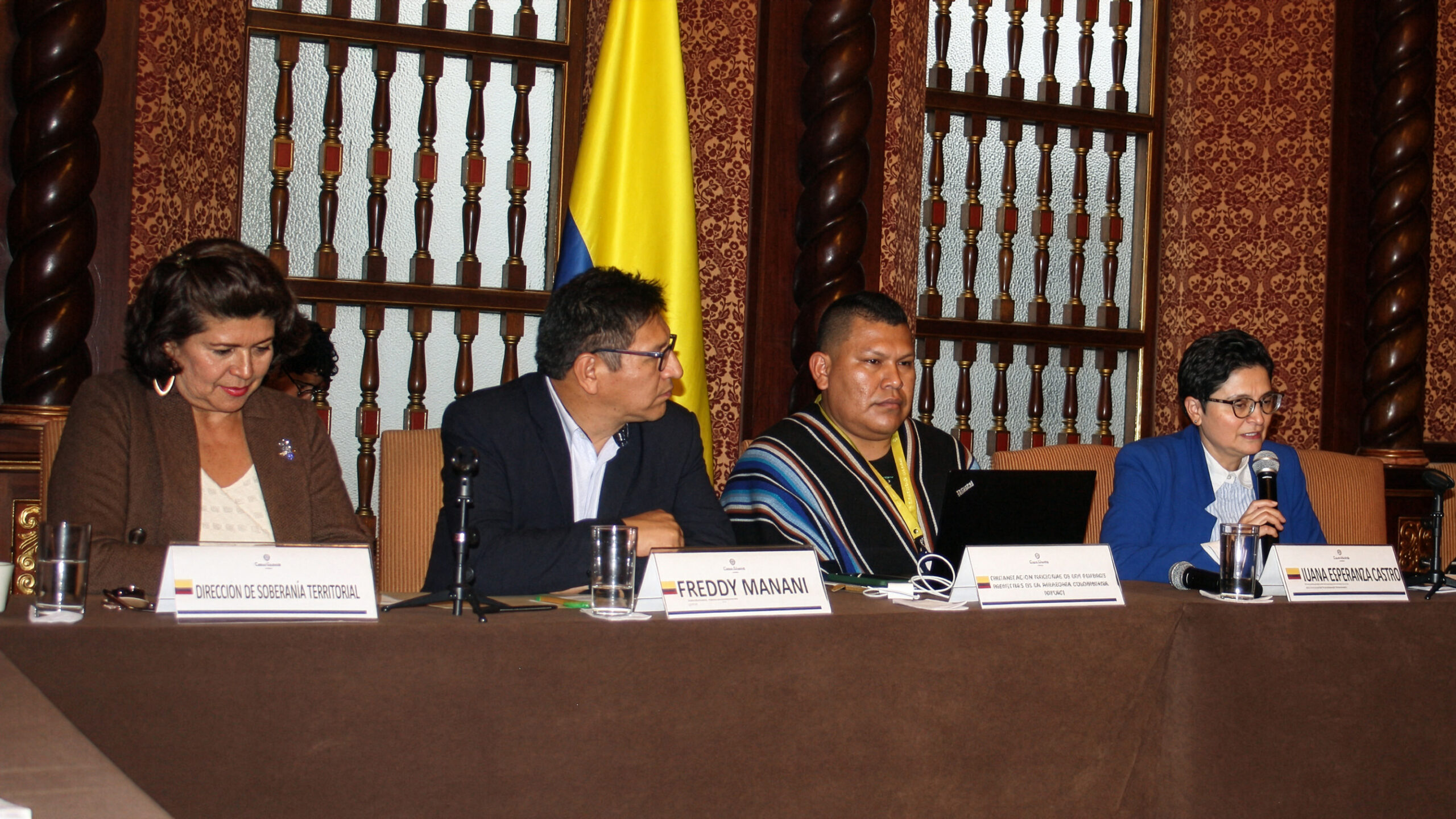
The meeting provided an opportunity to discuss measures related to the protection of Indigenous Peoples in Voluntary Isolation and Initial Contact (PIACI), institutional coordination, and regional cooperation in the Amazon.
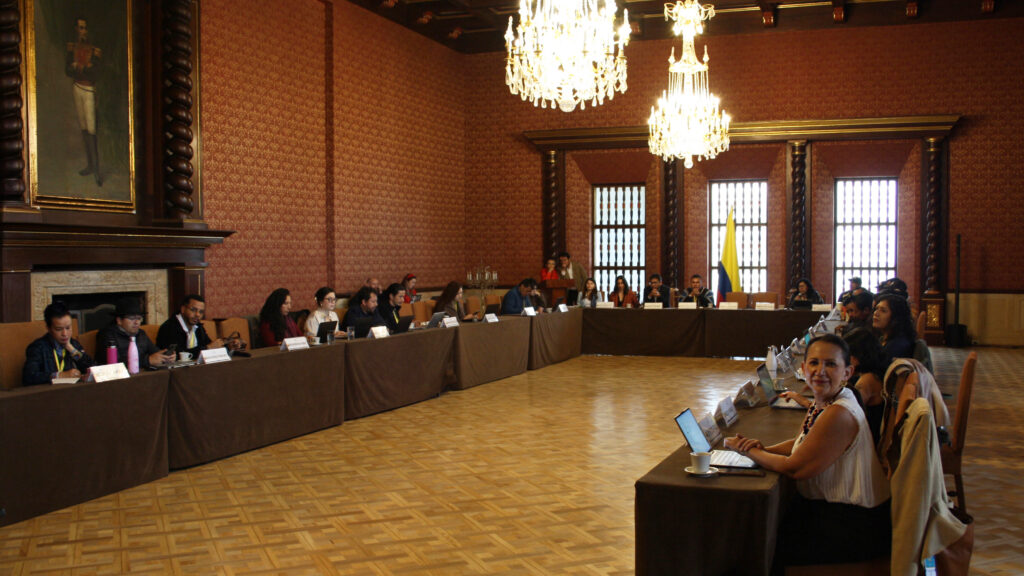
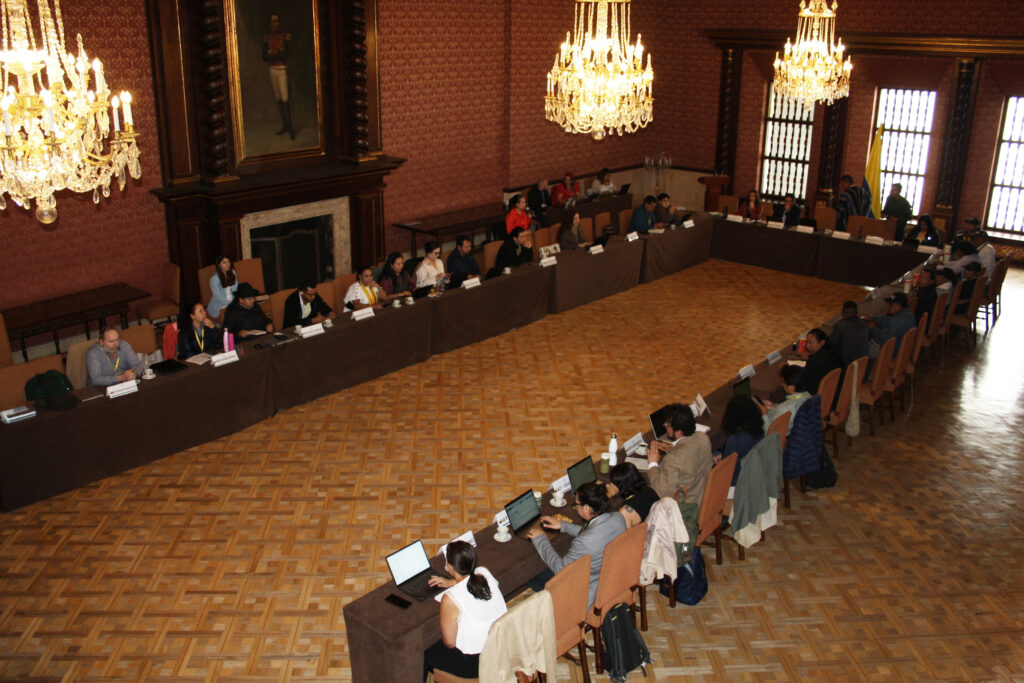
With proposals aimed at strengthening the territorial and legal security of Indigenous Peoples in Voluntary Isolation and Initial Contact (PIACI), the “National Meeting of Colombia: Exchange of Experiences on ACTO’s Amazon Indigenous Peoples Mechanism (MAPI), with an Emphasis on PIACI” concluded in Bogotá. The event was held on May 26–27 in Bogotá, Colombia.
The event was organized by the Amazon Cooperation Treaty Organization (ACTO), the Government of Colombia, and the National Organization of Indigenous Peoples of the Colombian Amazon (OPIAC), with the participation of the Secretariat of the National Commission for the Prevention and Protection of the Rights of Indigenous Peoples in Isolation (CPIAEN).
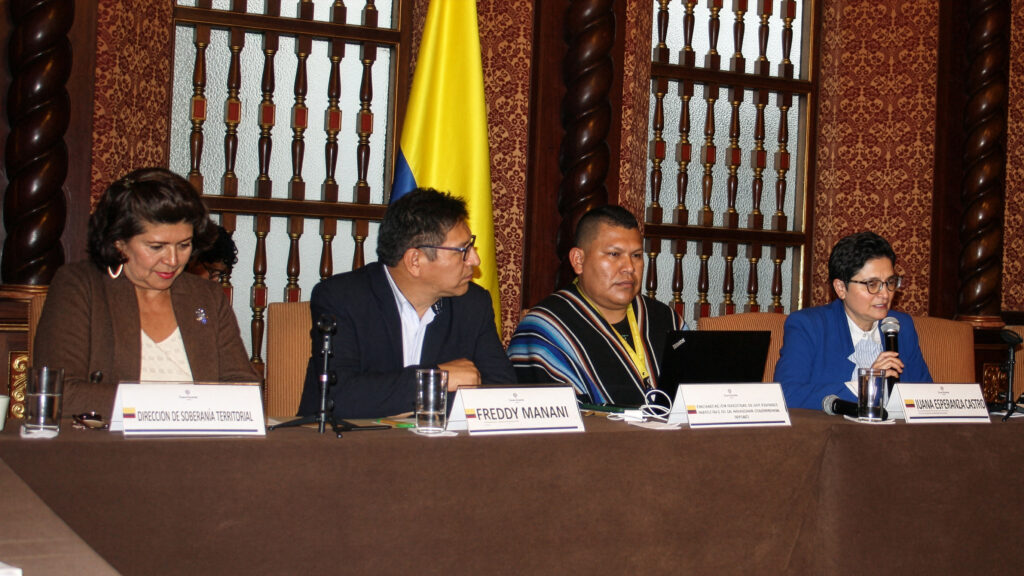
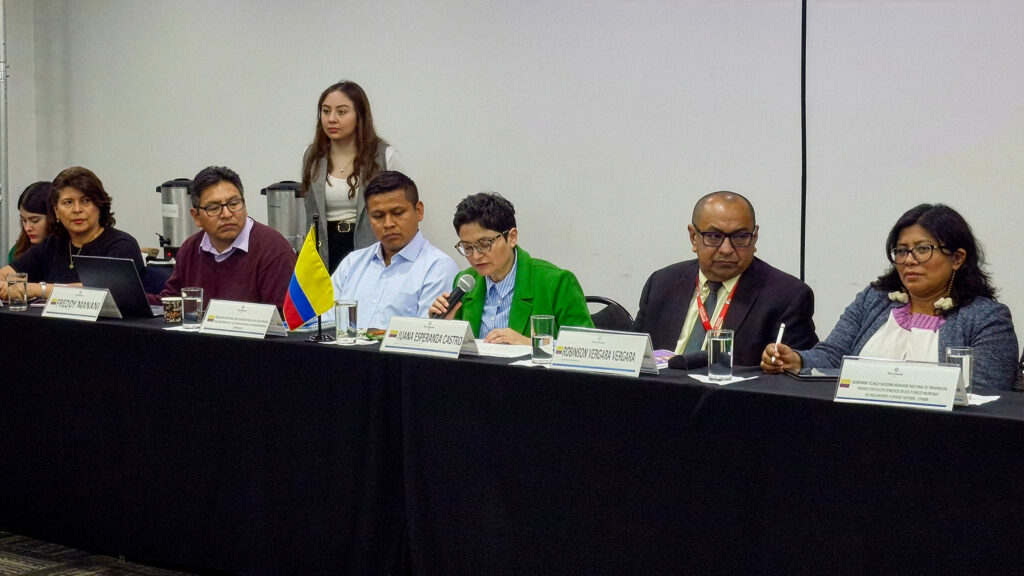
The opening ceremony and concluding session were attended by Colombia’s Vice Minister of Foreign Affairs, Juana Esperanza Castro. Representing ACTO, Freddy Mamani, Coordinator for Indigenous Affairs, participated in and accompanied the dialogue and exchange sessions held throughout the meeting. The closing ceremony took place at the San Carlos Palace, headquarters of Colombia’s Ministry of Foreign Affairs.
The sessions enabled participants to exchange experiences and discuss proposals related to strengthening the Amazon Indigenous Peoples Mechanism (MAPI), approved by ACTO Member Countries during the III Extraordinary Meeting of Ministers of Foreign Affairs held in Bogotá in 2025. Discussions also addressed issues related to the Thematic Working Group on Indigenous Peoples in Voluntary Isolation and Initial Contact (PIACI), which is led by Colombia and was established during the First Extraordinary Meeting of MAPI held in Brasília in April 2026.
One of the meeting’s main outcomes was the development of proposals for the comprehensive work plan of the Working Group on “Territorial and Legal Security for PIACI and the Protection of Their Rights,” with the objective of promoting coordinated regional actions through intercultural dialogue processes, technical exchanges, and the collective development of recommendations within the framework of MAPI–ACTO.
Among the proposals discussed, participants highlighted the need to strengthen coordination among Indigenous, scientific, and policy knowledge systems; promote outreach and awareness-raising actions at different levels; enhance collaboration with neighboring Indigenous Peoples and border territories; and foster mechanisms for the exchange of experiences and transnational actions related to Amazonian corridors and priority areas.
Discussions also underscored the importance of strengthening coordination between the PIACI Working Group and other ACTO mechanisms and commissions, as well as promoting cooperation among government institutions, Indigenous organizations, and partners engaged in the regional Amazon agenda. Participants also emphasized the need to strengthen participation and coordination spaces linked to MAPI.
During the working sessions, participants discussed the need to identify risk situations across the region that require urgent and coordinated attention, as well as to strengthen actions related to health, education, and gender issues in the context of PIACI protection.
Another key topic was the need to strengthen financing mechanisms, cooperation, and regional coordination to advance actions related to the protection of PIACI and the strengthening of MAPI. The importance of promoting training processes, technical exchanges, and the participation of Indigenous youth, women, and leaders was also highlighted.
Participants included representatives of the Colombian government and Indigenous Peoples of the Colombian Amazon, as well as representatives from the Ministry of Foreign Affairs, the Ministry of Environment and Sustainable Development, the Ministry of the Interior, the Ministry of Health and Social Protection, the Ministry of Cultures, Arts and Knowledge, the SINCHI Institute, Colombia’s National Natural Parks System, Corpoamazonia, the Office of the Attorney General, the Ombudsman’s Office, and international organizations and institutions engaged in the regional Amazon agenda.
The activity was carried out within the framework of the “Indigenous Roots for Amazonian Governance (RAIGA)” grant under the Amazonia+ Program, funded by the European Union and implemented by the Italian Agency for Development Cooperation (AICS), the International and Ibero-American Foundation for Administration and Public Policies (FIAP), and Expertise France.